
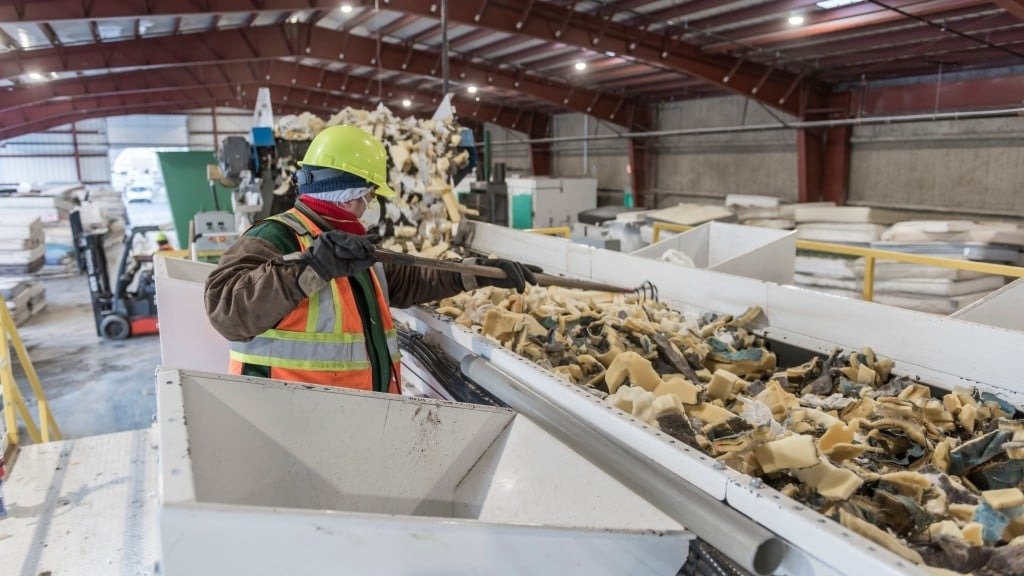
You probably never thought about what happens to a mattress after you replace it, but you can make a big environmental difference by choosing the right disposal route. You can avoid sending a bulky mattress to a landfill and instead recycle most of its materials—metal springs, foam, fabric, and wood—so they can be reused or repurposed.
This post shows how mattress recycling works, what options you have in your area, and practical steps to recycle responsibly so you save space, avoid fines, and reduce waste. Keep reading to learn how to evaluate your mattress, find recycling or donation services, and handle pickup or drop-off with minimal hassle.
The Mattress Recycling Process
You’ll see how old mattresses move from pickup to new materials, what components get separated, how each material is processed, and the environmental benefits you gain by choosing recycling.
Collection and Transportation
You arrange pickup or drop-off through municipal bulky-waste services, retailer take-back programs, or specialized mattress recyclers. Collection often uses palletized loading or box trailers to maximize truck space and minimize handling costs.
Transport follows routes optimized for density and proximity to recycling centers. Some programs consolidate mattresses at transfer stations before sending full loads to processing facilities. You should expect a small fee in many areas; some charities accept gently used mattresses free of charge.
Logistical details matter: tarping to prevent contamination, secure stacking to avoid damage, and paperwork that tracks chain-of-custody for regulated waste streams. Proper handling reduces transfer losses and improves material quality at the plant.
Sorting and Disassembly
At the facility, workers or automated systems remove bedding, tags, and non-mattress debris first. You’ll see mattresses fed into conveyors for initial inspection; those with hazardous contamination (severe mold, biohazard) are diverted to disposal rather than recycled.
Disassembly separates the mattress into primary components: fabric ticking, foam layers, innerspring steel, wood rails, and adhesives. Manual pullers, hydraulic presses, and specialty cutters peel back layers. Springs typically go to a magnetic separator; foams are shredded; fabric and fiber go to textile processors or insulation markets.
Effective sorting boosts recovery rates and resale value of materials. You should expect about 70–85% of components to be recovered in modern plants, depending on mattress construction and contamination.
Material Recovery and Processing
Steel springs get de-coiled and sent to scrap metal mills where they’re melted and re-rolled into new steel products. You’ll find foam processed by mechanical shredding for carpet underlay or by chemical methods that depolymerize polyurethane into feedstock for new foams and insulation.
Textiles and fiber batting go to reprocessing streams: some become upholstery, carpet padding, or industrial rags after cleaning and carding. Wood parts are chipped and used for composite boards, mulch, or boiler fuel when contamination allows.
Recyclers must manage adhesives and fire barriers; these can limit direct reuse and may require thermal or chemical treatment. Quality control and traceability help match recovered materials to appropriate secondary markets.
Environmental Benefits
Recycling a mattress conserves raw materials: steel recovery reduces mining demands; foam recovery cuts petrochemical feedstock use. You lower landfill volume and the long-term leachate and methane risks associated with large, slowly degrading items.
Choosing recycling often reduces greenhouse gas emissions compared with landfilling or incineration because manufacturing from recycled feedstock uses less energy. You also support a circular economy that creates local recycling jobs and secondary-material markets.
Be aware of limits: not every mattress component is fully recyclable yet, and regional infrastructure varies. Still, diverting mattresses from landfill yields measurable resource and climate benefits you can quantify through reduced landfill tip fees and recovered material tonnage.
How to Recycle a Mattress Responsibly
Recycling a mattress reduces landfill waste, recovers steel, foam, and fabric, and may save you disposal fees. Focus on certified recyclers, proper prep, local program rules, and donation or reuse paths that match your mattress condition.
Finding Certified Recycling Centers
Search for mattress recyclers certified by local or national programs like Bye Bye Mattress or state recycling councils. Enter your ZIP code on their websites or call local waste authorities to get verified facility names and drop-off details.
Check what materials the facility accepts: innerspring, memory foam, latex, and box springs have different processing streams. Confirm hours, appointment requirements, and any fees before you travel.
Ask if the recycler provides a weight or per-item receipt and whether they harvest materials for resale or remanufacture. That documentation helps if you need proof of responsible disposal.
Preparing Mattresses for Recycling
Strip the mattress of all bedding, protectors, and bed frames. Remove loose debris and vacuum to reduce contamination that can limit recycling options.
If local rules require it, cut the mattress into manageable pieces using a utility knife and protective gear. Separate recyclable components where possible: pull out the steel springs, foam layers, and cover fabric for easier transport.
Label or bag small parts like tags and zippers. Tie or wrap foam pieces to prevent shedding and to keep the recycler’s facility clean.
State and Local Recycling Programs
Check your state’s landfill and recycling agency websites for mattress stewardship laws and collection events. States like California, Connecticut, and Rhode Island run producer-funded programs you can use for free or low cost.
Find municipal bulky-item pickup schedules and accepted drop-off sites by contacting your city’s public works or sanitation department. Some transfer stations accept mattresses only on specific days.
Look for seasonal cleanup events or retailer take-back partnerships that operate under state rules. Confirm whether your mattress type is covered and what documentation or fees apply.
Donation and Reuse Options
Donate clean, lightly used mattresses to shelters, churches, or nonprofit resale shops that accept them under local health rules. Call organizations first; many have strict hygiene or age limits.
Sell or give away usable mattresses through classified ads or community apps. Be transparent about age, brand, and condition, and include photos and foam or spring descriptions.
If donation isn’t allowed, choose reuse options such as turning mattress foam into pet beds, cushions, or insulation. Contact community makerspaces or craft recyclers who accept mattress materials for projects.