
A secondary collision occurs after the first crash and can worsen the situation. For instance, it might happen when a driver crashes into stopped traffic right after another accident or drifts into a blocked lane because they didn’t see the brake lights in time. These collisions are often more serious because people are at risk: cars are damaged, drivers may be out of their vehicles, and lanes are partially blocked.
Drowsy and distracted driving contribute significantly to secondary collisions by reducing reaction time and focus. If you need to understand liability after a pileup or were injured in a follow-up crash, an experienced Tyler car accident lawyer can help gather evidence of distraction or fatigue to strengthen your case.
What Counts as a Secondary Collision
A secondary collision occurs when a crash triggers conditions that lead to additional crashes. The first collision may involve two vehicles, but the secondary collision can involve several more. This often happens on highways, busy intersections, and construction zones where traffic moves fast and space is limited.
These collisions can happen in seconds or unfold over minutes. Sometimes the second crash involves the same vehicles. Other times it involves new drivers arriving at the scene who don’t react in time. Secondary collisions are dangerous because the roadway has already become unstable—drivers may be braking hard, swerving, or stopped unexpectedly.
Why Drowsy Driving Is So Dangerous in “Crash Zones”
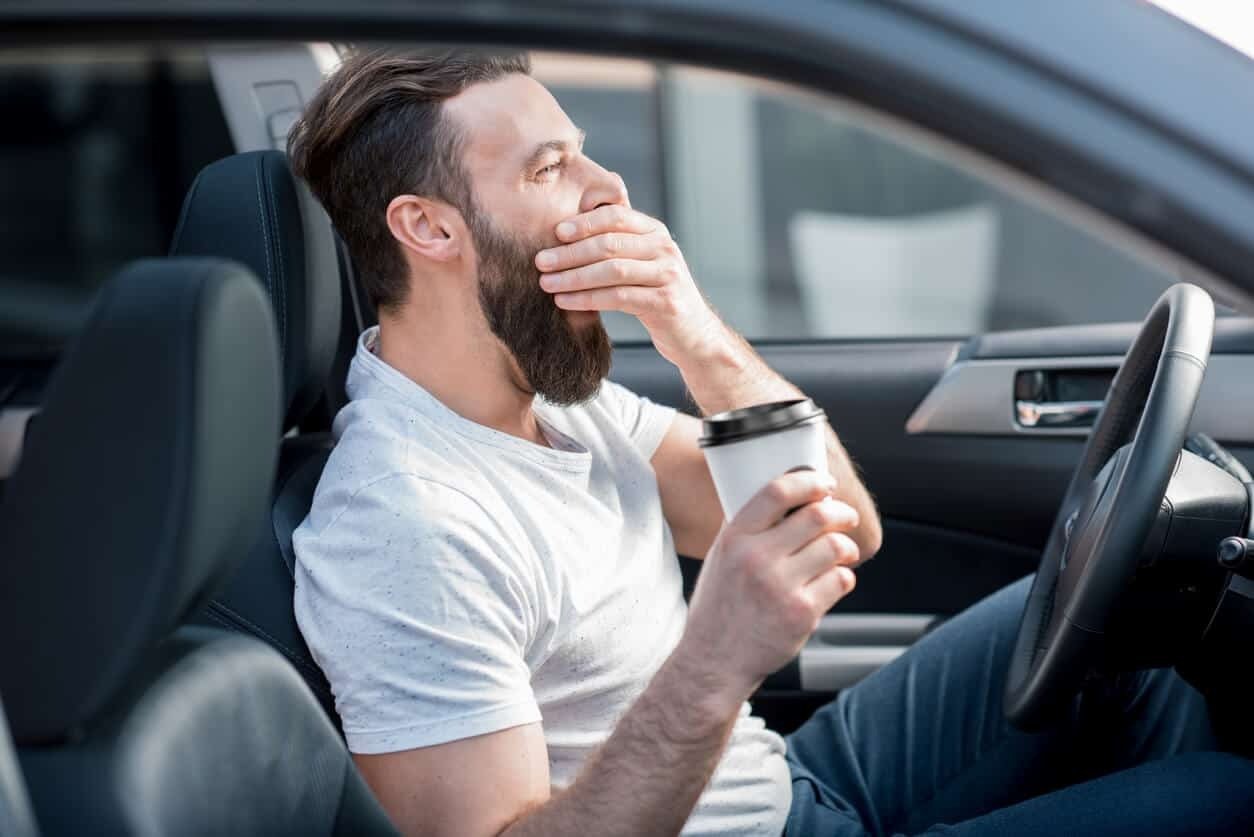
Drowsy driving is not just feeling tired. It affects judgment, perception, and reaction time in a way that’s similar to impairment. A sleepy driver may stare forward but fail to process what they’re seeing. They may miss brake lights, ignore hazard signals, and respond too late to changing traffic.
Secondary collisions often require fast recognition and quick decision-making: braking early, moving lanes safely, and avoiding overcorrection. A drowsy driver is less likely to react smoothly. Even a brief “microsleep” of a few seconds can be enough to travel the length of a football field at highway speeds—more than enough distance to hit stopped vehicles.
Distracted Driving: The Split-Second That Changes Everything
Distraction is one of the most common causes of late reactions. Looking down at a phone, adjusting navigation, checking a message, or even turning to talk to someone can cause a driver to miss the first signals of a developing hazard. In secondary collision scenarios, that first moment of recognition is everything.
Distraction also affects braking behavior. Drivers who look up late tend to slam the brakes, swerve sharply, or choose unsafe evasive moves. That can cause rear-end impacts, lane-change collisions, or multi-car pileups. When traffic is already unstable, distracted driving can turn “almost avoided it” into a major crash.
Why Secondary Collisions Are Often Worse Than the First Crash
The first crash often happens between moving vehicles, but secondary crashes can involve stopped or disabled cars that have no ability to escape. Impact speeds can be high because approaching drivers may not slow down in time. People may also be outside their vehicles, standing near the roadway, or assisting others—making injuries far more severe.
Secondary collisions can also create fires, rollovers, and crush injuries, especially when a larger vehicle or truck is involved. The chaos of a crash scene increases unpredictability, and that makes attentive driving critical. When fatigue or distraction enters the picture, the risk multiplies.
Common Situations Where Drowsy and Distracted Driving Trigger Secondary Crashes
Secondary collisions frequently occur in certain conditions:
- Night driving and early morning hours, when fatigue is more common
- Highways and interstates, where speeds are high and stopping distance is long
- Construction zones, where lanes shift and visibility is limited
- Bad weather, where drivers need longer to stop
- Rubbernecking zones, where drivers slow down to look and then fail to notice traffic ahead stopping completely
The “Warning Signs” a Driver Misses When They’re Not Fully Alert
Secondary collision prevention depends on early cues: brake lights far ahead, hazard flashers, traffic slowing in multiple lanes, smoke, debris, and the subtle behavior of drivers who are moving around an obstruction. An alert driver reads these cues and slows early.
A drowsy or distracted driver often misses the cues until the last second. They may not notice that multiple cars are braking. May fail to see a disabled vehicle without lights. They may not process a lane closure sign. By the time they react, there may be no safe exit path left.
Evidence That Helps Prove Fatigue or Distraction
Fatigue and distraction are usually proven through a pattern of evidence that points to delayed awareness or reaction time.
- Witness observations. Reports of drifting, delayed braking, looking down, or lane wandering can support the claim.
- Crash pattern clues. No skid marks, a full-speed rear-end impact, or failure to react despite clear visibility may indicate inattention or drowsiness.
- Phone and app records. Call logs, texts, and data activity near the time of impact can help build a distraction timeline.
- Vehicle data. Speed, braking input, and steering behavior can show whether the driver reacted late—or not at all.
- On-scene statements. Comments like “I didn’t see it” or “I looked away for a second” can be highly relevant.
- Commercial driving records. In truck or work-vehicle cases, schedules, logs, and dispatch pressure may suggest fatigue-related risk.
Liability in Secondary Collision Claims
Liability can be complicated in secondary crashes because multiple drivers may be involved. The driver who caused the first crash may share responsibility, but the driver who caused the secondary crash may also be liable if they failed to react reasonably to an obvious hazard.
This is where fatigue and distraction become crucial. If a driver had a clear opportunity to slow down, change lanes safely, or avoid impact—but failed because they weren’t paying attention—that can support a strong liability argument. Fault may be shared, but that doesn’t mean responsibility disappears.
Secondary Collisions Are Often Preventable—Until Attention Drops
Secondary collisions happen not due to a lack of skill but because drivers don’t see danger in time. Drowsy and distracted driving take away crucial seconds, turning minor risks into serious crashes. Staying alert during sudden traffic changes can mean the difference between a safe slowdown and a dangerous chain reaction.
If you were injured in a secondary collision, think about who had time to react, what warnings were visible, and if distractions or fatigue caused a delay. Preserving evidence and clarifying the timeline helps establish accountability.
Disclaimer
This article is provided for general informational and educational purposes only and does not constitute legal advice. The information discussed is not a substitute for professional legal counsel and may not reflect the most current legal standards or apply to your specific situation. Laws regarding car accidents, liability, and secondary collisions vary by jurisdiction and depend on the unique facts of each case. Reading this article does not create an attorney-client relationship. If you have been involved in a motor vehicle accident or have questions about liability, injuries, or your legal rights, you should consult a qualified attorney licensed in your state for personalized advice.