
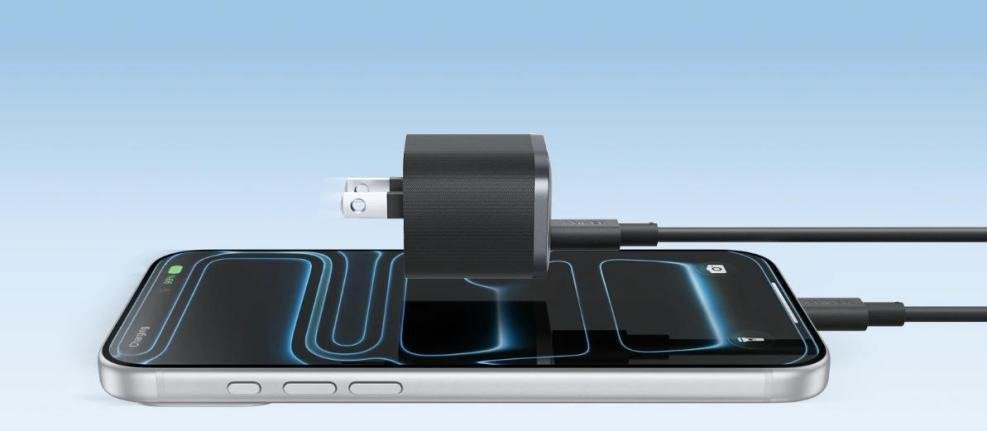
Choosing the right phone charger may seem simple, but the wrong choice can lead to slow charging, device damage, or even safety hazards. Many people rely on their phones for work, communication, and entertainment, making reliable charging an essential part of daily life. Understanding the key factors that determine a charger’s performance ensures you get a fast, safe, and durable product. Being informed prevents frustration and unnecessary spending on low-quality accessories. In this article, we outline the main points to consider when purchasing a phone charger, with practical guidance for everyday users.
Match the Power: Wattage and Charging Protocols
Understand Your Phone’s Maximum Wattage
Every phone is designed to handle a specific maximum wattage for charging. Using a charger that delivers too little power will result in slow charging times, which can be inconvenient during busy days. On the other hand, exceeding the recommended wattage might stress the battery and reduce its lifespan. Checking your phone’s specifications helps you select a compatible charger that balances speed and safety. Paying attention to these details ensures your phone charges efficiently without unnecessary wear.
Know the Difference: USB-C PD vs. Proprietary Fast Charge
Charging protocols determine how power is delivered from the charger to your phone. USB-C Power Delivery (PD) is the modern standard for most smartphones, offering fast and safe charging. Proprietary fast-charging methods may provide higher speeds but are often device-specific. Understanding the differences prevents compatibility issues and avoids purchasing multiple chargers for the same device. In daily use, choosing the right protocol ensures consistent performance and protects your phone’s battery health. Fast charging should be convenient, not a risk to your device.
Prioritize Safety: Certifications and Build Quality
Look for Essential Safety Certifications (UL, CE)
Safety certifications indicate that a charger has passed rigorous electrical and environmental testing. Marks like UL and CE provide reassurance that the charger is less likely to overheat or short-circuit. Certified products help protect both the phone and the user in everyday situations. Skipping this check can lead to unsafe charging and unexpected hazards. Always verify certifications before purchase to avoid low-quality alternatives that may compromise safety.
Avoid Physical Red Flags in Build Quality
The physical condition of a charger is just as important as its electrical specifications. Loose plugs, uneven seams, or exposed wires are all warning signs of poor construction. Using a damaged charger can lead to intermittent charging, overheating, or even electrical shock. Checking build quality before purchase ensures a longer-lasting and safer product. Being attentive to these details protects your device and prevents small problems from escalating.
Choose the Right Cable and Connector Type
USB-C is the Modern Standard
USB-C connectors provide higher power delivery, a reversible design, and compatibility with most modern devices. Using the correct connector ensures faster charging and reduces wear on both the cable and the phone port. Many households now use USB-C for multiple devices, simplifying charging needs. Ensuring your charger and cable are compatible with USB-C prevents unnecessary slow charging or failed connections. Investing in modern standards guarantees convenience and reliability in everyday use.
Cable Durability Matters as Much as the Brick
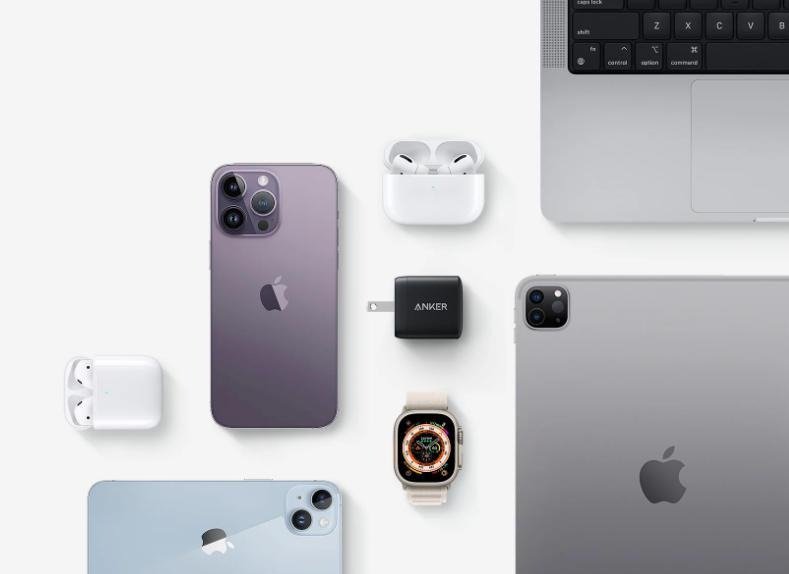
The performance of even the best charger can be compromised when paired with a low-quality cable. Issues like frayed wires, inadequate shielding, or thin insulation not only reduce charging efficiency but can also lead to overheating. Investing in a high-quality cable is essential for stable power transfer and for extending the lifespan of both your charger and device. Many users focus solely on the charging adapter, overlooking the critical role of the cable itself—an oversight that often results in repeated charging issues. Opting for a reliable charging setup, such as a certified iphone 16 charger along with a durable cable from a trusted brand like Anker—known for its safety standards and accessible pricing—can provide a complete, worry-free charging experience.
Consider Versatility: Ports and GaN Technology
Multi-Port Chargers for Multiple Devices
Multi-port chargers allow several devices to charge simultaneously without overloading a single outlet. This is especially convenient in homes or offices where multiple phones, tablets, or accessories need power. High-quality multi-port chargers distribute power intelligently to each device. This reduces wait times and prevents overheating issues. Using a versatile charger saves space, keeps your desk organized, and supports multiple devices efficiently.
The Benefit of Compact GaN Chargers
Gallium Nitride (GaN) technology enables smaller chargers to deliver higher power without generating excessive heat. Compact GaN chargers are perfect for travel or limited-space environments, offering both speed and convenience. They are more efficient and durable than traditional silicon-based chargers. GaN chargers also tend to last longer and maintain consistent performance over time. Investing in GaN technology combines portability, safety, and long-term value for daily charging needs.
Trust the Brand and Purchase Source
Reputable brands and reliable retailers offer higher assurance of quality and safety. Buying from official stores or verified online sellers reduces the risk of counterfeit or substandard chargers. For example, Anker is widely recognized for its durable, high-quality charging accessories and strong customer support. Trusted brands often provide warranties and customer support, which can be valuable if issues arise. Paying attention to brand reputation ensures consistency in both performance and safety. Choosing a reputable source is a simple step that protects your investment and ensures peace of mind.
Conclusion
Selecting the right phone charger involves more than just picking the first available option. Understanding wattage, protocols, certifications, cable quality, and brand reliability ensures fast, safe, and convenient charging. Paying attention to these factors improves daily routines by reducing interruptions and protecting your device. A good charger is an investment in both safety and long-term performance. By following these practical guidelines, everyday users can make informed decisions and enjoy reliable charging with confidence.
Disclaimer
This article is provided for general informational and educational purposes only and does not constitute professional technical, electrical, or safety advice. Charging performance, compatibility, and safety may vary depending on device model, manufacturer specifications, accessories used, and environmental conditions. Mentions of specific brands, products, or technologies are for illustrative purposes only and should not be interpreted as endorsements, guarantees, or purchasing recommendations. Readers should always consult their device manufacturer’s official guidelines and product documentation before selecting or using a phone charger. The author and publisher disclaim any liability for device damage, safety issues, or losses resulting from the use or reliance on the information contained in this article.