
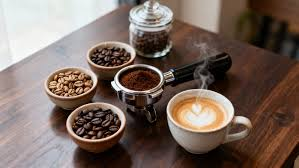
There’s something deeply comforting about that first cup of coffee in the morning—especially when it tastes just right. Whether you’re easing into the day, catching up with a friend, or taking a quiet moment for yourself, great coffee can elevate ordinary moments into something a little more special. But making consistently delicious coffee at home isn’t always as simple as it sounds. Between machines, grinders, and beans, choices can get overwhelming fast.
This guide will walk you through practical, easy-to-apply tips for choosing the right coffee gear and beans so that every cup you brew feels intentional and satisfying. Think of it like putting together the perfect outfit: once you understand the basics, it all starts to click.
Start With What You Want to Brew
Before spending money on gear, it helps to clarify how you like your coffee. Do you love the bold, concentrated shots of espresso? Or do you prefer smooth, balanced pour-overs that unfold slowly like a conversation?
The answer matters because different brewing styles require different tools.
- Espresso machines create intense shots by forcing hot water through finely ground coffee under pressure. They’re great if you enjoy lattes, cappuccinos, or ristretto shots.
- Manual methods like pour-overs or French presses offer more control and reveal subtler flavors.
- Automatic drip brewers are excellent for simplicity and consistency, especially if you want several cups at once.
Understanding your preferred brew style is like knowing you prefer jazz over rock—it’s not better or worse, just different. With that clarity, you won’t end up buying gear that doesn’t match the way you drink coffee.
Coffee Beans: Understanding What Makes Good Taste
Once you’ve nailed down your brewing style, the next big piece of the puzzle is the beans. Not all coffee beans are created equal, and the difference between a mediocre cup and an exceptional one often comes down to the beans themselves.
At its simplest, coffee beans are the seeds of the Coffea plant and come in wide varieties. The most commonly enjoyed species is Coffea arabica, known for its complex, nuanced flavors, while Coffea canephora (commonly called Robusta) tends to have a stronger, more bitter character and higher caffeine content. Think of this like choosing between types of apples: some are crisp and sweet, others are tart and bold.
Here are practical tips for selecting quality beans:
1. Look for Freshness
Coffee tastes best when it’s fresh. Unlike packaged snacks, coffee doesn’t benefit from sitting on shelves indefinitely. Once roasted, beans start to lose aroma and flavor as they oxidize. Good coffee sellers will include a roast date on the package—not just a “best before” date. Ideally, use beans within a month of roasting, just as you’d enjoy fresh bread within a day or two.
2. Explore Origin and Flavor Notes
Coffee grown in different regions develops distinct flavor profiles, much like how soil and climate influence wine grapes. Beans from one country might have citrusy, bright notes, while another might offer chocolate or nutty undertones. Descriptions like “hints of berry” or “caramel sweetness” can guide you toward flavors you enjoy.
If you’re just starting out, try small bags from a few regions. Keep a simple tasting journal—it’s a fun way to learn what your palate prefers.
3. Match Beans to Brew Method
Certain beans shine with specific brewing methods. Light roasts preserve bright acidity and nuanced flavors, making them great for pour-overs. Medium roasts are balanced and versatile, while dark roasts deliver a bold, smoky character that stands up well in espresso. Think of roast level like deciding how you like your toast—lightly toasted for gentle flavors, or dark for something more robust.
Gear That Fits Your Routine and Budget
Coffee gear ranges from affordable hand tools to high-end machines that rival café setups. Regardless of budget, a few smart decisions can make a huge difference.
Grinders Matter
Grinding your beans just before brewing is one of the most impactful upgrades you can make. Coffee begins to lose flavor as soon as it’s ground, so freshly ground coffee preserves aroma and balance.
There are two main types of grinders:
- Blade grinders are inexpensive but produce inconsistent grind sizes. This means your coffee brew may be extracted unevenly—some parts over-extracted (bitter) and some under-extracted (sour).
- Burr grinders crush beans between two burrs for a uniform size. This consistency makes extraction more predictable, and your coffee tastes better. If the budget allows, a burr grinder is a worthy investment.
Grind size also matters: finer for espresso, medium for drip brewers, and coarse for French press. Imagine salt vs. sugar vs. sand—each has a different texture that affects how quickly water interacts with it.
Brewing Devices for Every Level
Here are a few common options and why they’re useful:
- French Press – Simple and hands-on; great for full-bodied coffee.
- Pour-Over Drippers (like cone drippers) – Offer control over extraction and flavor clarity.
- Automatic Drip Brewers – Convenient for daily use, especially for larger batches.
- Espresso Machines – Perfect for espresso shots and milk-based drinks, though they often require more learning and care.
Spending wisely means choosing gear that matches your daily routine. If mornings are rushed, a reliable drip brewer might serve you better than complicated machines.
Learn From Others and Compare Options
Before buying, take a moment to explore what’s available and read real-world feedback. Enthusiasts share their experiences on forums and review sites, and watching a few demonstration videos can give you a feel for how machines work in everyday use.
You might also visit a website with a curated range of coffee equipment and beans. Seeing how options are presented together can help you compare features and prices more easily. Think of this as window-shopping online—you’re gathering ideas before committing.
Also, consider looking up resources on espresso extraction or brewing ratios to deepen your understanding. These topics explain how water interacts with coffee grounds and why certain techniques result in better flavor. That’s similar to learning about baking ratios before tweaking recipes—it gives you a solid foundation to build on.
Tips for Brewing Better Coffee at Home
Choosing gear and beans is half the journey—brewing consistently good coffee is the other half. Here are practical, everyday tips that make a big impact:
Measure Your Coffee and Water
Using a simple kitchen scale can be transformative. Too much coffee can taste harsh, too little can be weak and sour. A good starting point is about 1 gram of coffee for every 15–17 grams of water. Adjust to taste.
Heat Your Water Right
Water temperature should be hot but not boiling—about 90–96°C (195–205°F). If your kettle doesn’t show a temperature, bring water to a boil and let it sit for 30 seconds before pouring.
Rinse Filters Before Brewing
If you use paper filters, rinsing them with hot water before brewing removes any paper taste and heats the brewing device, improving flavor.
Clean Your Equipment Regularly
Coffee oils and residue build up over time and can make brews taste stale or bitter. Regular cleaning refreshes your setup and protects flavor.
Enjoy the Journey
The process of selecting gear and beans might seem detailed, but each step brings you closer to a cup that feels like your coffee, crafted exactly how you like it.
Remember, great coffee isn’t about perfection. It’s about learning what you enjoy and creating a routine that brings pleasure, warmth, and comfort to your daily life. Whether you’re making a quiet cup for yourself or sharing a pot with friends, thoughtful choices elevate the entire experience.
Once you combine the right beans, thoughtful gear, and simple brewing techniques, your morning ritual becomes something you look forward to—not just something you need. And that’s the true joy of coffee.