
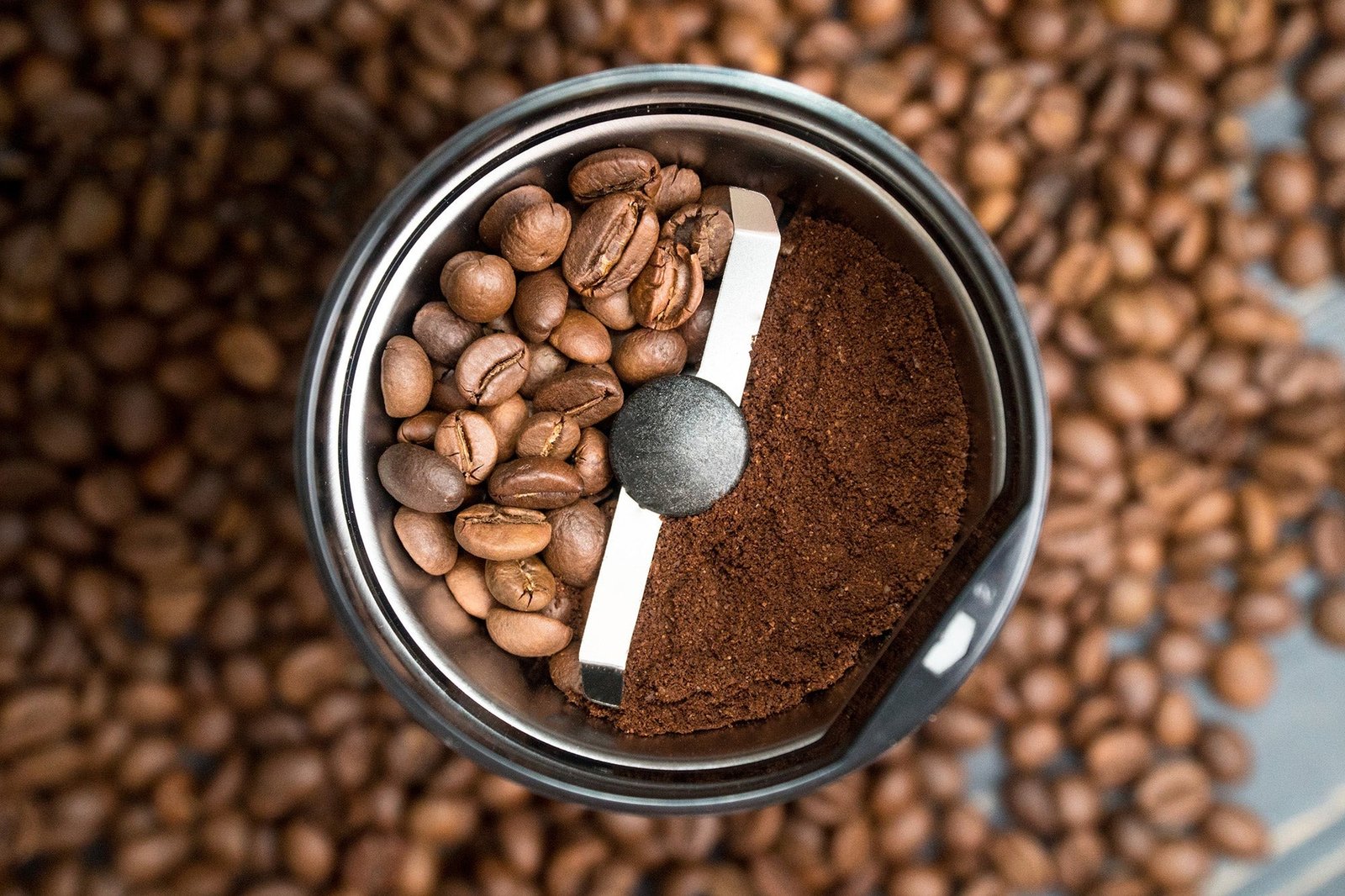
In the world of home‑brewed coffee, the difference between “meh” and “wow!” usually isn’t in the beans, it’s in the grind.
For pour‑over lovers, a consistent, uniform grind is the key to unlocking all those subtle flavors.
That’s why choosing the right pour over coffee grinder matters more than you might think.
Whether you’re dripping a cozy morning cup or carefully pouring over a Chemex for friends, the grinder is the unsung hero.
So before you splash on fancy beans, let’s get the grind right.
Why the Grinder Matters for Pour‑Over Precision
Imagine you bought the best light‑roast beans in the world, measured your dose carefully, and heated water to exactly the right temperature but still ended up with a bitter, over‑extracted mess or a weak, watery brew. Often, that’s not the beans’ fault. It’s the grind.
A good pour over coffee grinder does three critical jobs:
- Uniformity — It breaks the beans into similarly sized particles so water flows evenly.
- Control — It lets you dial-in the grind size appropriate for pour-over (typically medium-fine).
- Repeatability — It ensures you can hit that sweet spot again and again, cup after cup.
Because grind quality massively influences extraction and thus taste, aroma, and balance, the grinder becomes the single most important variable for consistent pour-over.
As more people brew specialty coffee at home, the demand for quality grinding tools has soared.
In fact, a recent report noted that the share of U.S. adults drinking specialty coffee daily jumped from around 15% in 2009 to 45% in early 2024, illustrating how many more people now care about the details of their brew.
So yes, a good pour‑over begins underneath the grinder.
How Grinders Work: Burrs, Motors, and Grind Uniformity
Let’s lift the hood for a second (no engineering degree required).
- Burr vs Blade
Blade grinders chop coffee roughly and unevenly, you’ll get a mix of dust, fine bits, and chunks. Not great for pour-over.
Burr grinders crush beans between two surfaces, yielding far more uniform particles.
That uniformity matters: fewer fines means less over-extraction and bitterness; fewer boulders means no under‑extracted sour notes.
- Conical vs Flat Burrs
Conical burrs tend to run cooler and produce slightly more uniform grinds at lower speeds, ideal for delicate flavor clarity.
Flat burrs can grind more quickly and consistently at larger volumes, though sometimes with slightly more heat and fines.
- Motor Speed & Heat
Electric burr grinders spin at various RPMs.
High speeds cut faster but can generate heat and produce more fines, both potentially harming flavor.
A slower, steady burr grind often yields the most balanced grind size distribution.
- Grind Adjustment Mechanism
Some grinders offer stepped grind adjustment (fixed notches), others stepless (micro‑adjustable).
Stepless gives you fine‑tuning power, handy if you like dialling your pour‑over just right.
Stepped is easier for quick, repeatable settings.
For a pour‑over coffee setup that’s reliable night after night, prioritize a burr grinder with a well‑designed burr set, stable motor speed, and good adjustment control.
Matching Grinder Type to Your Pour‑Over Lifestyle
Not every grinder is ideal for every coffee drinker. Consider how you brew:
- Single‑cup, slow mornings
If you’re often brewing one 250–350 ml cup, a manual, low‑retention grinder (with a modest hopper) is perfect. It’s quiet, compact, and gives you control — excellent for dialling a medium‑fine pour-over grind without wasting beans.
- Daily multi-cup households
If you brew several cups a day (family breakfasts, friends over, or midday refills), an electric burr grinder with larger hopper and consistent throughput makes sense.
- Minimal kitchen or travel
For tiny kitchens or travelers, a compact manual grinder offers portability without sacrificing too much on grind quality.
- Shared households / variable brewers
Choose a grinder with low retention, easy cleanup, and simple adjustment, so everyone can use it without confusing settings or stale leftover grinds.
Rule of thumb: Brew ≤ 300 g a day- go manual or small electric with low retention.
Brew > 300 g- larger burr electric grinder.
The Must-Have Feature Checklist for a Grinder
When shopping for a pour over grinder, treat the following like your personal checklist:
- Burr material & size: Steel burrs work great; larger burr diameter helps maintain grind uniformity, especially for bigger batches.
- Grind range and adjustment: Must go fine enough for pour-over (medium-fine), and ideally offer micro-adjustments for ease of dialing.
- Retention: Low retention is a big plus, you don’t want old coffee hiding in the burrs.
- Dose control: A grinder with consistent dosing (or built-in scale) helps avoid guesswork and ensures you measure by weight every time.
- Speed & noise: Slower grinders usually produce fewer fines and less heat, leading to cleaner-tasting cups.
- Build quality & serviceability: Removable burrs, replaceable parts, and solid build — these matter for long-term value.
- Price vs value: Don’t overpay for unnecessary bells and whistles, extra clearance, silent motors, or flashy cases rarely improve taste.
Purchase priority: burr quality → retention & control → dosing consistency → durability.
Price Buckets: What to Expect as You Spend More
Here’s roughly what you get at different price levels:
- Entry-tier (under ~$100): Basic burr grinders; acceptable for casual pour-over, but often suffer from higher retention, less precise grind control, and less consistency. Good if you’re experimenting or brewing occasionally.
- Enthusiast tier ($100–$400): Real burr grinders (often 40–50 mm burrs), improved grind uniformity, better retention design, and stepped or stepless grind adjustment, sweet spot for most home pour-over lovers.
- Prosumer / Pro (>$400): Premium burr sets, ultra-low retention, consistently excellent grind quality, heavy-duty build, often serviceable, ideal for serious enthusiasts who prioritize flavor, consistency, and longevity.
Tip: If you’re serious about achieving a clean, balanced pour-over, one that highlights bean notes rather than grind flaws, mid-tier is generally where upgrades start paying off significantly.
How to Test a Grinder Before You Buy (or Evaluate Reviews)
You don’t want to rely solely on manufacturer hype. Here’s how to evaluate properly (in person or via reviews):
- Check for grind uniformity tests. Some reviewers post microscopy images or grinder-output photos, uniformity and lack of clumps/fines is key.
- Ask about retention & dose repeatability. Does the grinder leave a lot of old coffee behind? Do users get consistent grams-in vs grams-out?
- Listen and watch for motor strain at pour-over settings. Grinding medium‑fine should not overheat the burrs or cause faint popping noises, that could indicate heat and fines.
- Do a brew trial (if possible): Grind a known amount (e.g., 20 g), brew with your standard pour method, taste carefully for bitterness, over-extraction, sourness, or silt. A good grinder will keep those off-balance flavors low.
Easy at-home test: Weigh beans in, weigh grinds out. Big difference = high retention. Then visually inspect the grind for uneven chunks or dust; you’re looking for a mostly uniform medium‑fine texture.
Maintain Your Grinder: A Little TLC Goes a Long Way
Once you’ve got a great pour‑over grinder, treating it right keeps your brews consistent:
- Clean burrs regularly. Coffee oils and residue build up, a quick brush or rinse every few weeks keeps grind quality stable.
- Replace burrs when dull. Dull burrs grind less cleanly, heat beans more, and produce more fines.
- Weigh your doses, don’t eyeball. Always aim for the same grams-in. Small dose variances can wildly affect extraction.
- Re-dial after maintenance. If you clean or reassemble the grinder, re-test your settings, even small burr alignment shifts can change grind size.
Daily habits like brushing the hopper and weighing doses will pay off with more reliable extraction and cleaner cups, no guesswork required.
Conclusion
At this point, you’re armed with the knowledge to choose (or build) the perfect home gear for pour-over.
Here’s your quick-grab checklist before you hit “buy”:
- Burr type and size suitable for pour-over (preferably steel burrs, 40 mm+).
- Low retention or easy-clean design.
- Ability to dial down to medium‑fine grind consistently.
- Reliable dose control (scale or repeatable dosing).
- Solid build quality, with replaceable burrs/parts.
- Appropriate price bucket — mid-range is usually optimal for serious pour-over drinkers.
If you focus on consistency over bells and whistles, a well-chosen pour over coffee grinder becomes the single biggest upgrade you can give your brewing ritual.
You’ll begin unlocking the full potential of your beans- smoother pours, balanced flavors, and that satisfying “Ahh! This is a good coffee” moment every time.
Ready to elevate your pour‑over game?
Brew with consistency, sip with confidence and never blame the beans when the grind was the real culprit.