
Motorcycle injury cases are often disputed from the start. Even if a driver caused the crash, insurance companies might claim the rider was speeding or riding aggressively. Because motorcycles are smaller and accidents happen quickly, these cases can become “word versus word” arguments.
Accident reconstruction helps clarify what happened in a crash. It uses evidence and data to answer key questions like who had the right of way, the speed of the vehicles, and where the impact occurred. In serious cases, reconstruction can be the difference between a denied claim and a successful settlement. If your motorcycle crash is being disputed, Jacoby & Meyers Accident & Injury Lawyers can help preserve evidence early and work with experts to prove fault and injury impact with clear, credible findings.
Why Motorcycle Cases Often Require Reconstruction
Motorcycle crashes tend to involve serious injuries, which means insurers fight harder. They may attempt to blame the rider because it reduces what they have to pay. They may argue that the rider was speeding or lane-splitting improperly—even if the crash was caused by a driver’s unsafe left turn, lane change, or failure to yield.
Reconstruction helps cut through bias. Instead of relying on opinions, it uses measurable facts. When evidence shows the rider was traveling reasonably and the driver made a dangerous move, it becomes much harder for the defense to shift fault.
What Evidence Reconstruction Experts Look For
Crash reconstruction experts piece together what happened by analyzing physical clues from the scene, the vehicles, and the injuries. Common evidence they look for includes:
- Skid marks and braking evidence: Skid marks, ABS marks, and braking distance can show speed, reaction time, and whether a driver tried to avoid impact.
- Yaw marks: Curved tire marks that suggest a vehicle was turning or sliding sideways, often used to estimate speed through a curve.
- Gouges and scrapes in the roadway: Impact points, metal scraping, or deep marks can help pinpoint where contact occurred.
- Debris patterns: The spread of broken parts, glass, and fluids can indicate the collision location and direction of force.
- Vehicle resting positions: Where the motorcycle and other vehicle ended up can help confirm movement, angles, and the sequence of events.
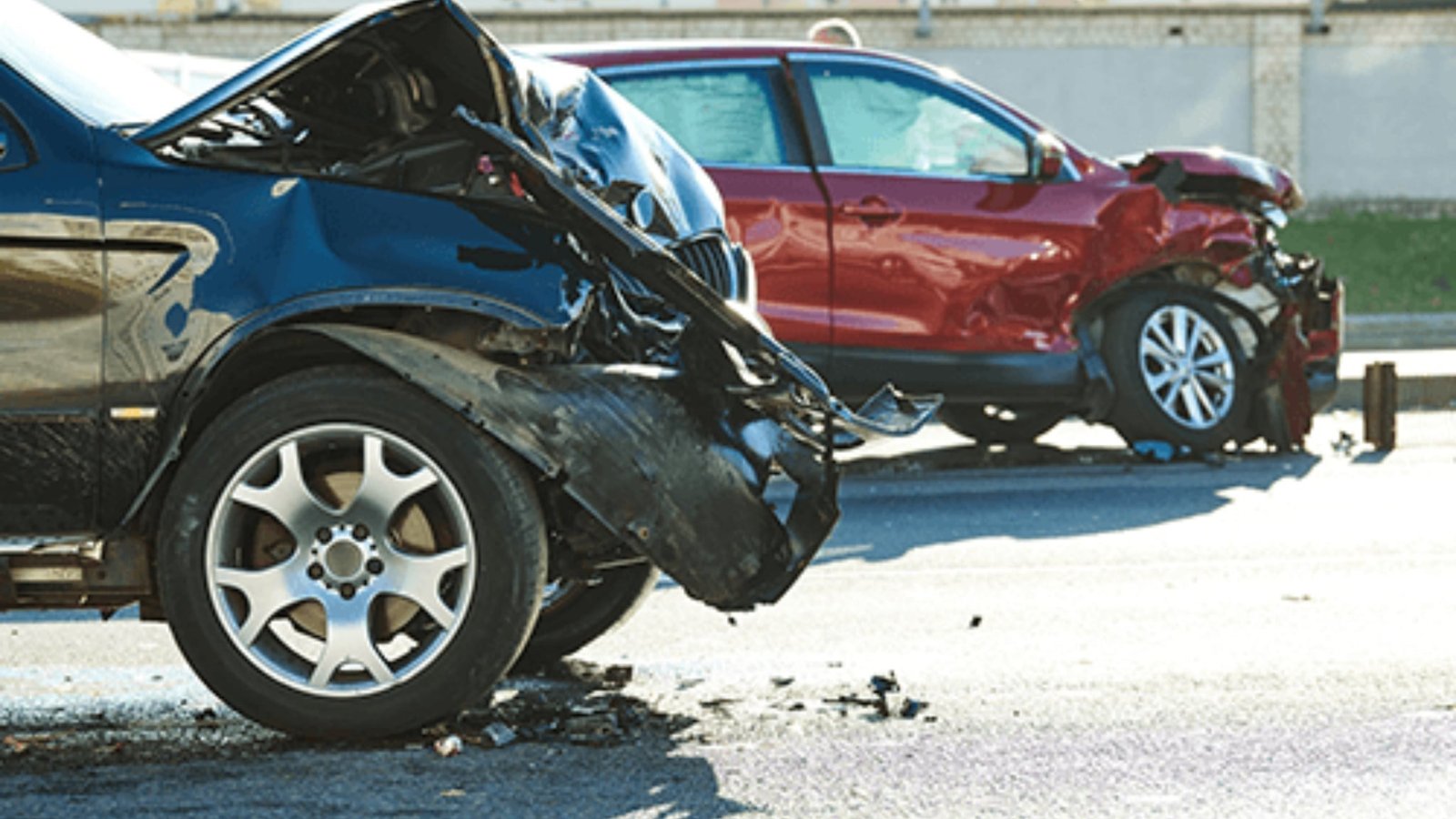
- Damage points on each vehicle: Crumple zones, dents, paint transfer, and deformation show where and how the impact happened.
- Roadway conditions and layout: Lane markings, signage, intersections, lighting, and visibility conditions help explain whether a crash was avoidable.
- Motorcycle-specific evidence: Damage to the bike, handlebars, forks, wheels, and fairings can indicate whether the rider was hit from the side, cut off, or forced into another path.
- Injury patterns: The rider’s injuries can reveal how the body moved during impact, where contact occurred, and whether the rider was thrown or pinned.
How Speed And Braking Are Calculated
One major question in motorcycle cases is speed. Drivers often accuse riders of speeding, even when they were not. Reconstruction experts use evidence like skid marks, impact damage, crush depth, and vehicle movement after collision to estimate speed. They may also use formulas based on friction, road surface, and stopping distance.
Experts can also determine whether the rider braked before impact. If there are skid marks from the motorcycle tires, that can show braking effort. If there are no skid marks, that may suggest the rider had no time to react—often supporting a claim that the driver created a sudden hazard.
Using “Line Of Sight” To Prove The Driver Should Have Seen The Rider
Another common defense is “I didn’t see the motorcycle.” Reconstruction can address this by analyzing line of sight. Experts evaluate whether the driver had a clear view of the motorcycle based on distance, lighting, vehicle angles, and obstructions such as parked cars, pillars, or vegetation.
They can also analyze reaction time. Even if the driver claims the rider was hard to see, an expert may show that a careful driver should have detected the motorcycle and yielded. This is especially helpful in left-turn crashes, where drivers often fail to properly judge a motorcycle’s approach.
How Impact Points And Debris Patterns Tell The Story
The location of debris, gouge marks, and impact points on the road can reveal where the collision occurred and which vehicle entered whose lane. In disputed lane-change or intersection cases, this evidence can show whether the motorcycle was already established in its lane or whether a vehicle crossed into it.
The resting positions of the vehicles after impact can also matter. Where the motorcycle landed, how far it slid, and where the rider came to rest can help calculate forces and confirm the direction and severity of impact.
Vehicle Data And Digital Records Can Strengthen Reconstruction
Many modern vehicles store collision-related data, such as speed, braking, and steering. Some motorcycles also store performance data, depending on the model. Experts may also analyze dashcam footage, surveillance video, or traffic camera recordings if available.
Phone records can play a role too if distracted driving is suspected. If the driver was texting, scrolling, or using apps at the crash time, that supports negligence. Digital evidence can often confirm why a driver failed to react and can strengthen reconstruction conclusions.
Reconstruction Helps Prove How Injuries Happened
Accident reconstruction isn’t only about fault—it can also explain injuries. Experts can describe how impact forces caused fractures, spinal injuries, head trauma, or ejection from the bike. This helps connect the crash mechanics to medical evidence and supports the seriousness of injuries.
In severe cases, reconstruction may also help prove that the injuries could not have happened in a “minor crash,” which is a common insurance argument. By showing the speed, force, and impact direction, experts can validate medical claims and future care needs.
When Reconstruction Is Most Useful In A Motorcycle Claim
Reconstruction is especially valuable when fault is disputed, when injuries are catastrophic, or when there are no independent witnesses. It is also helpful when the police report is unclear or when the other driver claims the rider was reckless. In wrongful death cases, reconstruction often becomes central to proving how and why the fatal crash happened.
Even in cases where fault seems obvious, reconstruction can strengthen negotiation. When the defense knows an expert can prove the case clearly. Insurers may be more likely to settle fairly rather than risk trial.
Reconstruction Turns A Motorcycle Crash Into A Proved Case
Accident reconstruction works by analyzing physical evidence, vehicle damage, speed data, visibility, and crash mechanics to determine what actually happened. In motorcycle injury cases, reconstruction helps overcome bias and counters common defenses like “the rider was speeding” or “I didn’t see them.” It replaces assumptions with facts and strengthens both liability and damages.
If you’re facing a disputed motorcycle claim, time is critical. Evidence can disappear quickly, vehicles can be repaired, and skid marks can fade. A thorough reconstruction investigation can preserve the truth and help ensure your case is supported by clear, credible proof from start to finish.
Disclaimer
This article is provided for general informational purposes only and does not constitute legal advice. The information presented is not intended to create, and receipt or reading of it does not establish, an attorney-client relationship. Accident reconstruction outcomes and legal rights vary based on the specific facts and circumstances of each case. Laws, regulations, and insurance practices may differ by jurisdiction and are subject to change. If you have been involved in a motorcycle accident or have questions about your legal rights. You should consult a qualified personal injury attorney for advice tailored to your situation.