
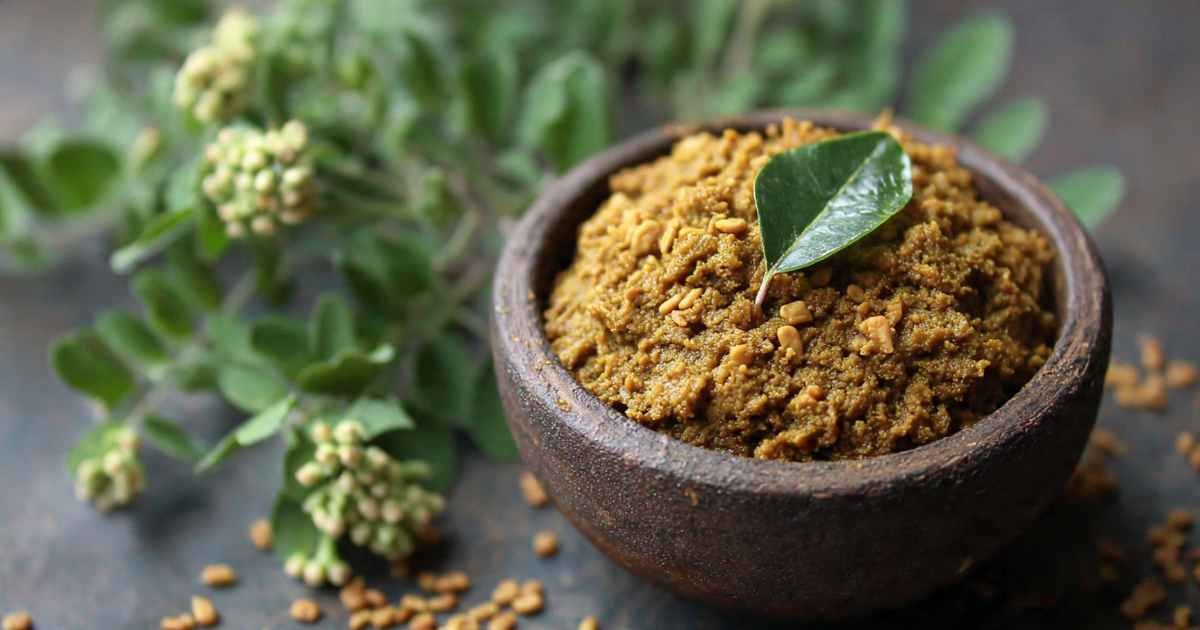
Fenugreek, known as Trigonella foenum-graecum, is a remarkable herb that has been used for centuries across the globe for both its culinary and medicinal properties. From ancient Egypt to Ayurvedic medicine, fenugreek has proven its value not only as a spice but also as a potent natural remedy. Today, it’s widely used for everything from improving digestion to managing blood sugar and boosting lactation in nursing mothers.
This comprehensive guide will delve deep into the scientific mechanisms, modern uses, and real-world applications of fenugreek. Whether you’re looking to improve your digestive health, enhance lactation, or balance your hormones, fenugreek has something to offer.
What Is Fenugreek (Foenegriek)?
Fenugreek, also known as foenegriek, is a leguminous plant that has been cultivated for over 3,000 years. It’s native to the Mediterranean region and is widely grown in India, Egypt, and North Africa. The plant’s small, yellow-brown seeds are the primary part used in cooking, herbal medicine, and natural wellness.
Fenugreek is rich in fiber, protein, iron, magnesium, calcium, and vitamins, along with a variety of bioactive compounds like saponins, flavonoids, alkaloids, and galactomannan—all of which contribute to its wide range of health benefits.
Key Medicinal Benefits of Fenugreek
1. Supports Digestive Health
Fenugreek is well-known for its digestive benefits, and modern science is uncovering even more ways it helps the digestive system. The soluble fiber in fenugreek helps regulate bowel movements and supports a healthy gut microbiome.
- Soothes the Stomach: Fenugreek’s mucilage content provides a soothing effect, which can help reduce gastritis and protect the stomach lining.
- Relieves Constipation: Its fiber content improves bowel regularity and prevents constipation.
- Reduces Acid Reflux: Fenugreek has been shown to reduce acid reflux and heartburn by calming inflammation in the stomach.
2. Enhances Lactation in Nursing Mothers
Fenugreek is one of the most well-known lactogenic herbs. Many nursing mothers use fenugreek to enhance milk production due to its phytoestrogenic properties.
- How It Works: Fenugreek contains compounds that stimulate the mammary glands, promoting milk flow. This makes it a go-to remedy for women experiencing low milk supply.
- Scientific Backing: A 2015 study found that fenugreek supplementation resulted in a 50% increase in milk production in breastfeeding women.
3. Blood Sugar Regulation: A Natural Aid for Diabetics
Fenugreek has gained popularity for its ability to help manage blood sugar levels, particularly in type 2 diabetes.
- How It Helps: Fenugreek seeds contain galactomannan, a soluble fiber that slows the absorption of glucose from the digestive tract, reducing post-meal blood sugar spikes.
- Improves Insulin Sensitivity: Research has shown that fenugreek can increase the body’s sensitivity to insulin, improving glucose metabolism and lowering insulin resistance.
Scientific Studies:
- A 2018 meta-analysis published in the Journal of Diabetes & Metabolic Disorders found that fenugreek supplementation significantly reduced fasting blood glucose levels and improved insulin sensitivity.
4. Hormonal Balance and Women’s Health
Fenugreek has long been used to promote hormonal balance, especially for women. It helps regulate the menstrual cycle, relieves PMS symptoms, and supports overall reproductive health.
- How It Works: Fenugreek contains phytoestrogens, which mimic the effects of estrogen and help regulate hormonal fluctuations, making it beneficial for conditions like PMS, menopausal symptoms, and irregular periods.
- For Menopause: It has also been shown to help relieve symptoms of hot flashes and mood swings in menopausal women.
5. Skin and Hair Health
In addition to internal benefits, fenugreek also offers beauty benefits for the skin and hair due to its high content of proteins, vitamins, and antioxidants.
- For Hair: Fenugreek strengthens hair follicles, reducing hair fall and improving shine. It also has antifungal properties that help treat dandruff.
- For Skin: Fenugreek’s anti-inflammatory and antioxidant properties make it an excellent remedy for acne, blemishes, and aging skin.
Fenugreek Nutritional Profile
Fenugreek is loaded with essential nutrients that support overall health. Here’s a breakdown of the key nutrients found in 100 grams of fenugreek seeds:
| Nutrient | Amount (per 100g) | Health Benefits |
|---|---|---|
| Fiber | 24g | Promotes digestion, regulates blood sugar, and prevents constipation |
| Protein | 23g | Builds and repairs body tissues, supports metabolism |
| Iron | 33mg | Improves blood circulation, prevents anemia |
| Magnesium | 191mg | Supports muscle function, reduces muscle cramps |
| Calcium | 176mg | Promotes strong bones, reduces risk of osteoporosis |
| Vitamin C | 3.8mg | Boosts immunity, aids in collagen production |
| Saponins | High | Lowers cholesterol, improves fat metabolism |
| Alkaloids | Present | Supports immune health, alleviates pain |
How to Use Fenugreek: Dosage and Applications
Fenugreek is versatile and can be used in various forms, including seeds, powder, capsules, oil, and tea. Here’s how you can incorporate it into your daily routine:
- Fenugreek Seeds: Add to smoothies, curries, soups, or soak them overnight and consume them in the morning.
- Fenugreek Tea: Brew 1–2 teaspoons of crushed fenugreek seeds in hot water for 10–15 minutes. Drink 1–2 cups daily for digestive or lactation benefits.
- Fenugreek Capsules: Available in most health stores, typically in 500 mg doses. Take 1–2 capsules daily.
- Fenugreek Powder: Mix with warm water or milk to drink, or apply topically as a face mask or hair treatment.
Recommended Dosage:
- For Lactation: 500 mg–1g of fenugreek capsules, 2–3 times a day.
- For Blood Sugar: 1 teaspoon of fenugreek seeds soaked overnight.
- For Skin and Hair: Apply a fenugreek powder mask directly to the skin or hair.
Side Effects and Considerations
While fenugreek is generally safe, it may cause mild side effects, especially when taken in large amounts:
- Digestive Issues: Overconsumption may lead to gas, bloating, or mild diarrhea.
- Body Odor: Fenugreek may cause a sweet, maple-syrup-like odor in some individuals due to its breakdown in the body.
- Blood Sugar: Individuals on diabetes medication should be cautious, as fenugreek can lower blood sugar levels significantly.
Pregnancy: Pregnant women should avoid high doses of fenugreek as it may cause uterine contractions.
Conclusion
Fenugreek is a versatile herb with an impressive range of health benefits. Whether you’re looking to enhance digestion, boost lactation, regulate blood sugar, or improve skin and hair, fenugreek can be a natural addition to your wellness routine. Its proven effectiveness in hormonal balance and reproductive health also makes it an invaluable herb for women’s health.
Before incorporating fenugreek into your daily routine, consult with a healthcare provider, especially if you have underlying health conditions or are pregnant.
FAQ’s about Fenugree
Can fenugreek help with digestion?
Yes, fenugreek’s fiber content helps regulate bowel movements and soothe gastritis.
How does fenugreek support milk production?
Fenugreek contains phytoestrogens, which stimulate milk production in breastfeeding mothers.
Is fenugreek beneficial for diabetes?
Yes, it helps lower blood sugar levels and improves insulin sensitivity in diabetics.
Does fenugreek prevent hair loss?
Fenugreek strengthens hair follicles, reduces hair fall, and improves hair texture.
What are the side effects of fenugreek?
Excessive use may cause digestive issues, body odor, or low blood sugar.