
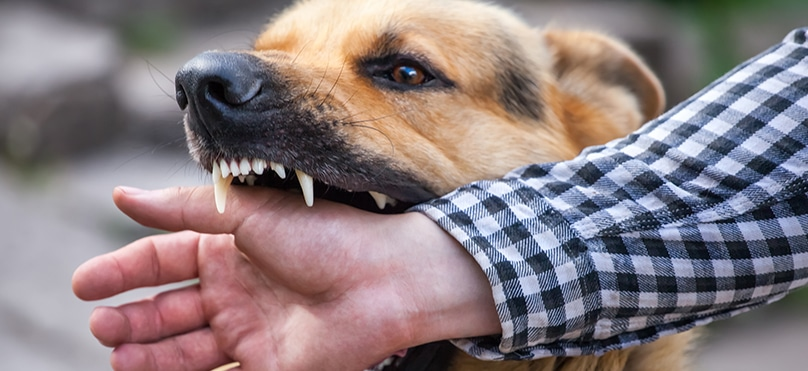
Dog bites can occur quickly, but their effects can last for years. Many think of bites as simple puncture wounds that heal with stitches and antibiotics. In reality, serious attacks can cause crushing injuries and deep tissue damage needing surgery. Some victims require emergency care, while others may face multiple surgeries over time.
Injuries from dog bites often extend beyond the skin, affecting nerves, tendons, blood vessels, joints, and bones. Infections can also spread quickly, leading to more complications. If these injuries result from an owner not controlling their dangerous dog, victims may seek compensation. Personal injury lawyers can help prove the severity of the injuries, establish liability, and secure a settlement for immediate and long-term recovery needs.
Why Dog Bite Injuries Often Require More Than Stitches
Dog bites are not clean cuts—they are crush-and-tear injuries. A dog’s jaw strength can rip tissue apart, and the mouth contains bacteria that can cause infection even in a small wound. Victims may have internal damage even when the bite wound appears moderate at first.
Surgery is often needed because bites cause irregular tearing, deep punctures, and tissue loss. These injuries may not close properly, may require debridement (removal of dead tissue), or may need complex reconstruction to restore appearance and function.
Deep Lacerations That Require Layered Surgical Repair
One of the most common reasons dog bite victims need surgery is deep laceration injuries. These wounds often have jagged edges, multiple puncture tracks, and tearing that extends below the surface. Closing them properly requires layered repair—stitching muscle, tissue, and skin separately.
In some cases, surgeons must repair the wound in a way that reduces long-term scarring and preserves mobility. Deep lacerations on the face, hands, arms, and legs are especially likely to require surgical attention because of how much movement and function those areas control.
Tendon And Ligament Damage In Hand And Wrist Bites
Hands and wrists are some of the most commonly bitten areas because people instinctively raise their hands to protect themselves. Unfortunately, that’s also why hand bites often lead to surgery. Dogs can sever or seriously damage tendons and ligaments that control finger movement.
Tendon damage may require surgical repair to restore function, especially if the victim cannot bend or extend their fingers normally. Without surgery, these injuries may heal poorly, leading to permanent stiffness, weakness, or reduced grip strength.
Nerve Damage That Requires Surgical Intervention
Dog bites can damage nerves, particularly in the hands, arms, face, and legs. Nerve injuries can cause numbness, tingling, burning pain, or weakness. In severe cases, victims lose sensation or motor control in the affected area.
Surgery may be needed to repair or graft nerves, especially if the nerve is partially or completely torn. Even with surgery, nerve recovery can take months, and some victims are left with permanent deficits. Nerve damage also significantly increases the long-term value of a dog bite claim because it affects daily function.
Facial Bites That Require Plastic Or Reconstructive Surgery
Facial dog bites are among the most traumatic because they often involve tearing, scarring, and long-term cosmetic impact. Children are especially vulnerable because they are closer to a dog’s face level and may not recognize warning behavior.
Plastic surgery may be required to repair lip injuries, nose damage, cheek tears, eyelid wounds, and tissue loss. In severe cases, victims need multiple surgeries over time to restore symmetry and reduce scarring. Facial bites can also require psychological counseling because the emotional impact is often as severe as the physical injury.
Skin Loss And Avulsion Injuries
Some bites cause avulsion injuries, where chunks of skin or tissue are torn away. These injuries can’t simply be stitched closed because the tissue is missing. They often require skin grafts or flap surgery to close the wound.
Avulsion injuries are especially common in severe attacks or when the dog shakes its head while biting. This motion increases tearing and tissue loss. These cases often result in permanent scarring and longer recovery, with ongoing wound care and higher infection risks.
Severe Infections That Require Surgical Debridement
Even bites that look “small” can become dangerous if infection develops. Dog bites carry bacteria that can lead to abscesses, cellulitis, and deep infections that spread through tissue. Infections are especially risky for bites on the hands because bacteria can spread quickly through joints and tendon sheaths.
When infection becomes severe, doctors may need to perform surgical debridement—removing infected or dead tissue to stop the spread. Some patients require drainage procedures, IV antibiotics, and hospitalization. In worst-case scenarios, infections can cause permanent damage or even become life-threatening.
Fractures And Bone Injuries From High-Force Bites
Large dogs can bite with enough force to fracture bone, especially in children or elderly victims. Bone fractures may occur in the fingers, hands, arms, or legs. These cases often require orthopedic surgery, especially if the fracture is displaced or involves joint damage.
Bites can also cause crush injuries to bone that don’t show up clearly in early evaluation. Imaging and specialist evaluation may be needed to identify the full extent of damage. Fractures significantly increase recovery time and often lead to permanent stiffness or weakness.
Dog Attacks That Cause Compartment Syndrome Or Vascular Injury
Some severe dog attacks cause swelling and internal bleeding that increases pressure in the limb—a condition known as compartment syndrome. This can cut off blood flow and damage muscle and nerves. It’s a surgical emergency and may require fasciotomy, a procedure where the tissue is opened to relieve pressure.
Dog bites can also damage blood vessels. Vascular injuries may require surgery to repair arteries or veins and restore circulation. These injuries are less common but extremely serious and can cause permanent limb damage if not treated quickly.
Why Surgical Dog Bite Cases Often Lead To Higher-Value Claims
Surgery changes everything in a dog bite claim. It increases medical expenses, recovery time, pain and suffering, scarring, and long-term limitations. It also strengthens the argument that the injury was severe—not minor.
Surgical cases often include long-term therapy, additional procedures, ongoing wound care, and emotional harm, especially when disfigurement is involved. Proper documentation becomes essential, and full compensation should reflect the long-term consequences—not just initial treatment costs.
Surgical Dog Bite Injuries Often Involve More Than Visible Wounds
Dog bite injuries that require surgery can change lives. Injuries like deep cuts, nerve damage, and infections often need extensive treatment. Many victims face multiple surgeries and long recovery times with permanent scars and physical limitations.
If you or a loved one suffered a dog bite that needed surgery, it’s crucial to focus on both the injury and the legal claim. These cases can lead to significant compensation, as the damage goes beyond a simple wound. With solid medical records and a clear proof plan, victims can seek damages for surgery costs, long-term care, lost income, and the emotional impact of the attack.
Disclaimer:
The information provided in this article is for general informational purposes only and is not a substitute for professional medical, legal, or veterinary advice. Dog bite injuries can vary widely in severity, and treatment should be determined by qualified healthcare professionals. Any reliance on the information in this article is at your own risk. Readers experiencing a dog bite injury should seek immediate medical attention and consult a licensed attorney for guidance regarding legal claims or compensation. The author and publisher are not responsible for any outcomes resulting from actions taken based on the content of this article.