
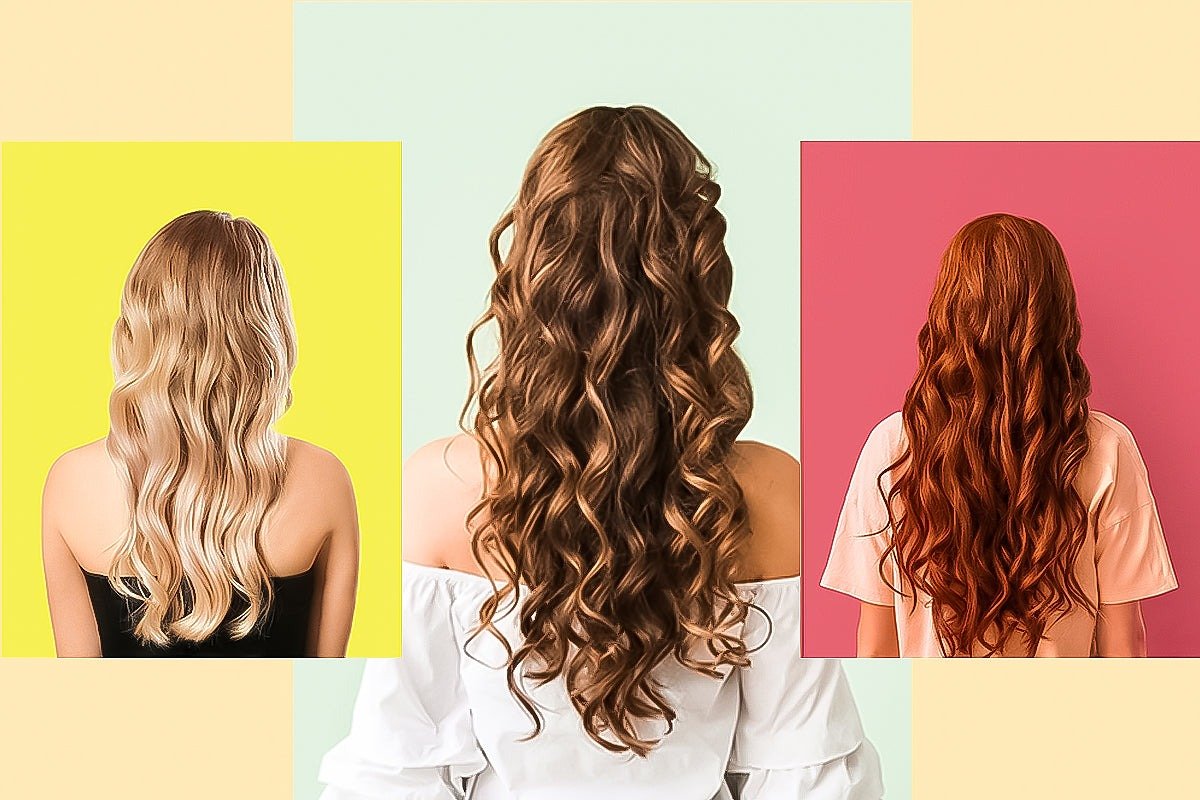
Curly hair isn’t just straight hair with a twist—it has its own rules, needs, and personality. When you choose the right cut and styles that work with your curls instead of fighting them, everything gets easier: washing, styling, and even growing your hair out. The key is understanding your curl type, choosing a cut that supports your natural pattern, and using techniques that enhance definition and shape.
Below is a practical guide to curly hair–friendly cuts and everyday styles that highlight your texture and reduce frustration.
1. Know Your Curls (and Why It Matters)
Curly hair comes in many forms—from loose waves to tight coils. While you don’t need to obsess over exact “curl type numbers,” having a general idea helps:
- Loose waves (2A–2C): Softer S-shaped texture, often finer and easily weighed down.
- Classic curls (3A–3B): Defined spirals with bounce and volume.
- Tight curls and coils (3C–4C): Smaller, springy curls or zigzag coils, often with more shrinkage and dryness.
Why it matters:
- Finer curls usually need lighter products and less aggressive layering.
- Thick, dense curls benefit from well-planned layers to remove bulk.
- Coils and tight curls often need shaping cuts and extra moisture to avoid frizz and breakage.
2. The Foundation: Cuts That Respect Curl
Curly hair looks best when the cut is designed for how it sits dry, not wet and stretched.
Curly‑Focused Cutting Approaches
- Dry cutting: Many curl specialists cut hair dry in its natural state to see exactly how each curl falls.
- Shaping by section: Instead of chopping straight across, hair is shaped section by section to build a balanced silhouette.
- Minimal thinning: Aggressive thinning or razor cutting can make curls frizzy and uneven.
When booking, ask if your stylist has experience with curly cuts and if they’re comfortable cutting your hair in its natural texture (no straightening beforehand).
3. Best Cuts for Different Curl Types
For Loose Waves
- Long, soft layers: Prevent a heavy, triangle shape and add movement.
- Lob (long bob): Hitting between collarbone and shoulders gives easy, lived‑in wave.
- Avoid cuts that are too blunt and long with no shaping, which can look flat at the roots and frizzy at the ends.
For Classic Curls
- Rounded curly cut: Slightly shorter layers on top, longer underneath, creating a cloud‑like, balanced shape.
- Shoulder‑length or slightly longer: Enough weight to control volume but short enough to keep curls bouncy.
- Face‑framing layers: Starting at the cheekbones or jawline to open up your face and avoid a heavy curtain of hair.
For Tight Curls and Coils
- Sculpted shape: Often slightly rounded with careful layering to avoid bulk at the sides.
- Short to medium lengths: Can showcase curls and coils beautifully with easier manageability.
- Careful weight removal: Small, deliberate cuts rather than big chunks removed at once.
For all curl types, the goal is a shape that looks good as curls expand throughout the day, not just when freshly styled.
4. Curly Bangs and Face‑Framing
Curly bangs and shorter pieces around the face can be flattering if done thoughtfully.
Tips:
- Cut bangs longer than you think, since curls shrink.
- Start with soft, longer fringe before going shorter.
- Face‑framing pieces should follow your curl pattern—don’t force straight, blunt lines.
Curly bangs look great with updos, half‑up styles, and ponytails because they keep your face open and styled even when the rest is pulled back.
5. Everyday Styles That Work With Curls
Wash‑and‑Go
The wash‑and‑go is the foundation of many curly routines.
Basic steps:
- Cleanse gently with a curl‑friendly shampoo or co‑wash.
- Apply a rich conditioner and detangle with fingers or a wide‑tooth comb.
- On soaking-wet hair, apply a leave‑in conditioner or curl cream.
- Layer a gel or custard for hold and definition.
- Scrunch curls and either air dry or diffuse on low heat/low airflow if you use heat occasionally.
Don’t touch your hair much while it’s drying—this reduces frizz and preserves curl clumps.
Half‑Up, Half‑Down
Curly hair looks gorgeous in simple half‑up styles that show off texture.
Try:
- A half‑up bun or puff at the crown.
- A half‑up ponytail with a few curls left to frame the face.
- Decorative clips or a claw clip for a quick, polished look.
This style is perfect for days when the front or crown is a little flat, but the ends look great.
Pineapple and High Puffs
For medium to long curls:
- Pineapple: Gather hair loosely at the very top of your head with a soft scrunchie before bed or for casual wear. Keeps curls from flattening and makes a cute, voluminous updo.
- High puff: For tighter curls and coils, gather curls at the crown into a puff, letting the ends bloom out naturally.
These styles look playful yet put-together and are also protective.
6. Minimizing Frizz and Maximizing Definition
Healthy curls depend as much on technique as on the cut.
Key habits:
- Apply products on very wet hair to lock in moisture.
- Use scrunching instead of rough towel drying; try a microfiber towel or cotton T‑shirt.
- Avoid brushing dry curls—detangle only when wet or heavily conditioned.
- Seal with a light oil or serum on the ends if your hair tends to be dry.
If your curls fall flat, try using a stronger gel, applying more product, or avoiding heavy, oily formulas that weigh curls down.
7. Protective and Low‑Manipulation Styles
Curly hair is more prone to dryness and breakage, so protective styles can help.
Options:
- Loose braids or twists: Great for sleeping or casual days.
- Buns or chignons: With ends tucked in and not pulled too tight.
- Twist‑outs and braid‑outs: Provide defined styles that can last several days.
Always protect curls at night with a satin or silk scarf, bonnet, or pillowcase to reduce friction.
8. Color and Curls
Color can look stunning on curls, but it needs to be done carefully.
- Choose subtle highlights or balayage that work with your curl pattern.
- Avoid over‑bleaching, especially on already dry curls.
- Deep condition regularly and use bond‑repairing treatments if you color your hair.
Well‑placed color can make curls look more dimensional and defined, but maintaining moisture remains the top priority.
9. Test‑Drive Lengths and Shapes Without Commitment
If you’re thinking about a significant change—like going shorter or trying a new shape—but you’re nervous about how your curls will respond, wigs can help you experiment risk‑free. You might try a sleek, curly‑friendly bob shape through a glueless bob wig, which lets you see how a shorter, structured length frames your face while your natural curls stay protected underneath. If you’re curious how much shorter you can go without losing personality and volume, exploring styles from the best pixie wigs can give you a preview of how a cropped silhouette might suit your features before you commit to cutting your own curls.
10. Work With Your Curls, Not Against Them
The biggest “curl essential” is mindset: your goal isn’t to force your hair to behave like straight hair; it’s to enhance what you already have.
- Choose cuts that follow your natural pattern.
- Use styling methods that define, not flatten.
- Embrace a bit of volume and individuality—no two curly heads look exactly alike.
With the right cut, styles, and care, your curls can be your best feature: expressive, full of character, and uniquely yours.
Disclaimer
This article is intended for general informational and educational purposes only. Hair types, curl patterns, and scalp conditions vary from person to person, and results may differ based on individual factors such as genetics, lifestyle, products used, and hair care routines. The styling tips, haircut suggestions, and techniques mentioned here are not a substitute for professional advice. For personalized recommendations, chemical treatments, or major hair changes, consult a licensed hairstylist, curl specialist, or hair care professional. References to products, wigs, or styling options are for illustrative purposes only and do not constitute endorsements or guarantees of results.