
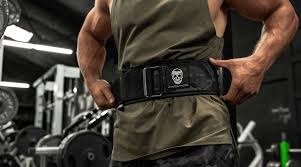
Walk into any gym and you’ll notice it right away—some lifters strap on a thick belt before heavy squats or deadlifts, while others avoid belts completely. This raises a common question among beginners and experienced athletes alike: are weightlifting belts actually worth it, or are they just another gym accessory?
The short answer is yes weightlifting belts can be useful, but only when used correctly and for the right reasons. They’re not magic tools, and they’re definitely not meant for everyone or every workout. Let’s break down how they work, what they actually help with, and the misconceptions that often surround them.
What Is a Weightlifting Belt and How Does It Work?
A weightlifting belt is a supportive band worn around the waist, typically made of leather or thick nylon. Its main job is not to “hold your back together,” as many people assume. Instead, it gives your core something to brace against.
When you breathe into your abdomen and push outward against the belt, it increases intra-abdominal pressure. This pressure helps stabilize the spine during heavy compound lifts like squats, deadlifts, overhead presses, and cleans.
In simple terms, the belt helps your body create a stronger, more stable base—but only if you know how to brace properly.
Real Benefits of Weightlifting Belts
1. Improved Spinal Stability During Heavy Lifts
When lifting near your maximum capacity, even small breakdowns in form can increase injury risk. A properly used belt can help reduce excessive spinal movement and support neutral posture.
This doesn’t mean the belt replaces strong muscles—it just helps them work more efficiently under load.
2. Better Lifting Performance
Studies have shown that weightlifting belts may help some lifters move slightly more weight or maintain better technique under heavy loads. This is especially noticeable in low-rep, high-intensity sets.
For experienced lifters, a belt can provide that extra stability needed to safely push limits.
3. Increased Core Awareness
Contrary to the myth that belts “turn off” your core, they can actually improve core engagement—if used correctly. The belt gives feedback, reminding you to brace your abs rather than relying on your lower back.
Common Misconceptions About Weightlifting Belts
“Belts Weaken Your Core”
This is one of the biggest myths. Belts don’t weaken your core by default—poor training habits do. If you wear a belt for every lift, including warm-ups and light sets, you may miss opportunities to train natural core stability.
The key is selective use, not constant use.
“Beginners Should Never Use Belts”
Beginners shouldn’t rely on belts, but that doesn’t mean they should never learn how to use one. Understanding proper bracing technique early can actually improve lifting mechanics in the long run.
That said, foundational strength should always come first.
“Belts Prevent All Injuries”
No piece of equipment can eliminate injury risk. Belts don’t fix poor form, mobility issues, or overtraining. They are a support tool, not a safety guarantee.
When Should You Use a Weightlifting Belt?
Weightlifting belts are most useful during:
- Heavy compound lifts (80–90% of 1RM)
- Low-rep strength-focused training
- Powerlifting or Olympic lifting sessions
They are not necessary for:
- Isolation exercises
- Light or moderate training
- Cardio-based workouts
- Core-specific training
Think of the belt as situational support—not something you strap on the moment you walk into the gym.
Proper and Safe Use of a Weightlifting Belt
Using a belt incorrectly can reduce its benefits or even create bad habits. Here’s how to use one safely:
- Position it correctly
The belt should sit snugly around your waist, usually just above the hip bones. Placement may vary slightly based on body type and lift. - Don’t overtighten
A belt should be tight enough to brace against, but not so tight that you can’t breathe properly. - Learn to brace
Take a deep breath into your abdomen (not your chest), push your abs outward, and maintain that pressure during the lift. - Use it strategically
Save the belt for your heaviest working sets, not warm-ups.
Supporting Your Body Beyond the Belt
Strength training doesn’t stop at the gym. Recovery, joint alignment, and foot stability all matter—especially if you lift regularly. Many lifters overlook lower-body support, even though foot and ankle mechanics directly affect lifting form.
Products that assist with foot alignment, such as walker ankle support or heel pad shoe inserts, can play a role in improving overall stability during daily movement and training recovery. Proper foot cushioning can help reduce stress traveling upward through the knees, hips, and lower back.
Brands like Bodyassist focus on practical body-support solutions that complement active lifestyles, especially for people balancing strength training with everyday movement.
Are Weightlifting Belts Worth It?
So, are weightlifting belts worth it?
Yes—if you lift heavy, understand proper bracing, and use them intentionally.
They’re not required for everyone, and they’re not a shortcut to strength. But when used as a tool rather than a crutch, weightlifting belts can enhance stability, confidence, and performance during demanding lifts.
Strength is built through consistency, good technique, and listening to your body. A belt can support that process—but it should never replace it.
Frequently Asked Questions (FAQs)
1. Can beginners use weightlifting belts?
Beginners can use belts occasionally, but they should first focus on learning proper form and natural core engagement before relying on one.
2. Should I wear a belt for squats and deadlifts only?
Belts are most commonly used for squats, deadlifts, and overhead presses, especially at heavy loads. They are unnecessary for most other exercises.
3. Do weightlifting belts reduce back pain?
Belts may help stabilize the spine during lifting, but they are not a treatment for back pain. Persistent pain should be addressed with proper training, recovery, and professional guidance.
4. How tight should a weightlifting belt be?
It should be snug enough to brace against but loose enough to allow deep abdominal breathing.
5. Can wearing a belt all the time cause dependency?
Yes, overusing a belt can lead to psychological reliance. That’s why selective, intentional use is recommended.
Disclaimer
The information provided in this article is for educational and informational purposes only and is not intended as medical, fitness, or professional training advice. Weightlifting belts and other supportive equipment should be used based on individual needs, experience level, and proper technique. Always consult a qualified fitness professional, coach, physical therapist, or healthcare provider before starting a new exercise program, using lifting aids, or making changes to your training routine—especially if you have a pre-existing injury, medical condition, or experience pain during exercise. The use of any equipment is done at your own risk, and results may vary depending on individual circumstances.