
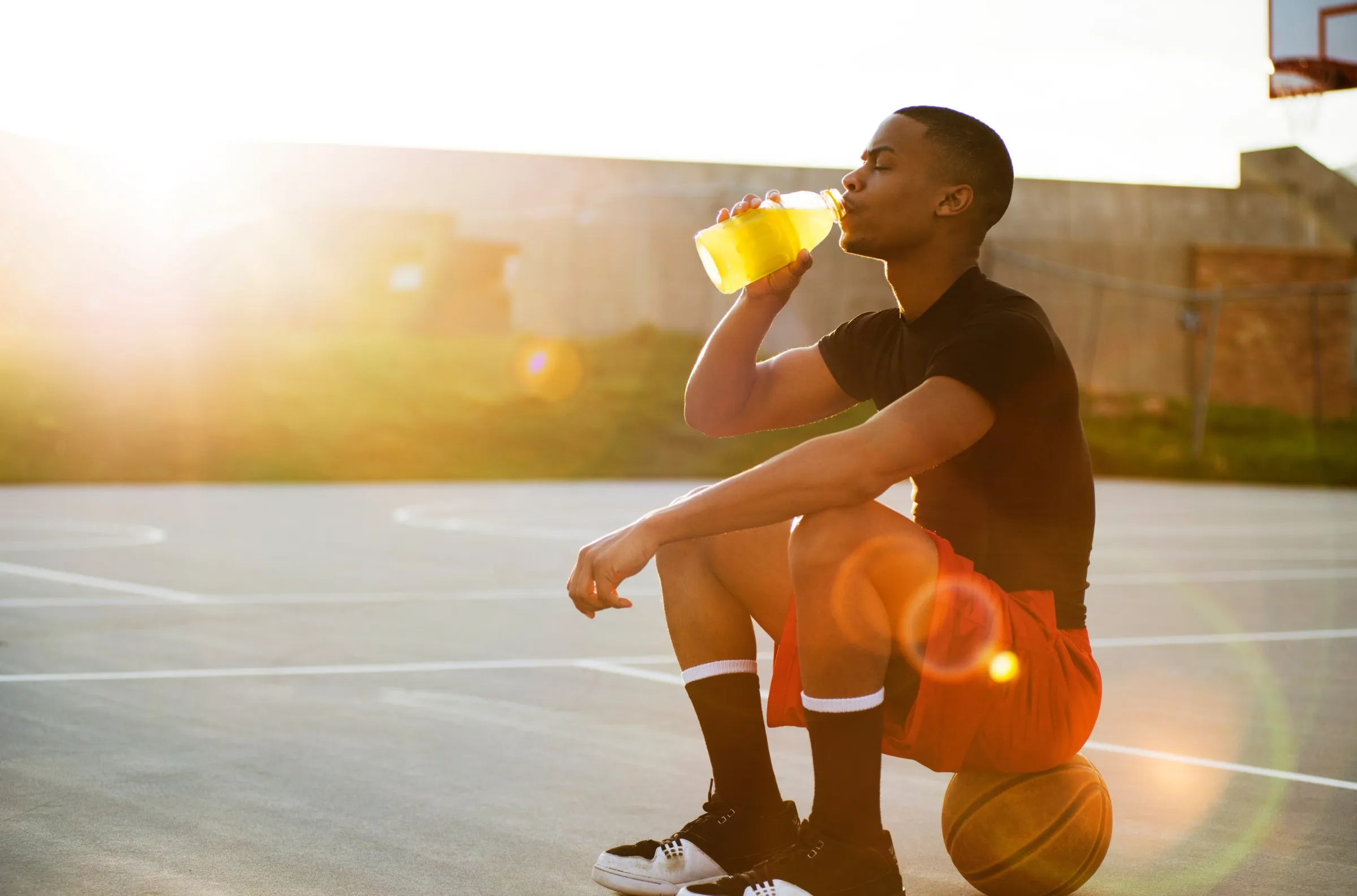
Athletes serious about performance understand that hydration significantly impacts training quality, recovery speed, and competitive results. While sports drinks have dominated athletic hydration for decades, growing numbers of serious athletes now incorporate IV hydration therapy into their recovery protocols. Understanding the physiological differences between oral sports drinks and intravenous hydration—and when each approach makes sense—helps athletes make informed decisions about optimizing their performance and recovery.
The Science of Athletic Dehydration
During intense exercise, athletes can lose 1-3 liters of fluid per hour through sweat, depending on exercise intensity, environmental conditions, and individual sweat rates. This fluid loss comes with significant electrolyte depletion—primarily sodium, but also potassium, magnesium, and calcium essential for muscle function and cellular processes.
Even 2% body weight loss from dehydration significantly impairs performance. Research shows decreased muscle strength and power output, reduced endurance capacity, impaired thermoregulation increasing heat stress, decreased cognitive function affecting decision-making, and increased perceived exertion at any given workload. For serious athletes, these performance decrements can mean the difference between winning and losing, PR and disappointment.
The challenge extends beyond just during-exercise hydration. Many athletes start training already mildly dehydrated from inadequate recovery from previous sessions. This cumulative dehydration across training cycles compounds, creating chronic deficits that limit training quality and adaptation.
How Sports Drinks Work
Sports drinks like Gatorade, Powerade, and specialized formulations were developed to address specific exercise hydration needs that plain water can’t meet alone.
Standard Sports Drink Composition
- 6-8% carbohydrate solution (usually sucrose, glucose, fructose mix)
- Electrolytes: primarily sodium (20-30 mEq/L), some potassium
- Flavoring for palatability encouraging adequate intake
This formulation balances rapid gastric emptying with providing energy and electrolytes. The 6-8% carbohydrate concentration empties from the stomach quickly while still delivering useful energy. Higher concentrations slow gastric emptying, delaying hydration.
Absorption Mechanisms When you drink sports drinks, fluid must pass through your digestive system before entering bloodstream. The small intestine absorbs water and electrolytes, but this process has rate limitations—roughly 800-1200ml per hour maximum, varying individually. Sodium in sports drinks enhances water absorption through coupled transport mechanisms in intestinal cells.
For moderate-intensity exercise lasting 60-90 minutes, sports drinks work well. Athletes can maintain hydration drinking at rates matching sweat loss, while carbohydrates provide useful energy. This represents the “sweet spot” where oral sports drinks excel.
When Sports Drinks Fall Short
Several situations create challenges that oral sports drinks cannot fully address, regardless of formulation quality.
High Sweat Rate Situations Desert environments like Texas heat in El Paso can drive sweat rates to 2-3 liters per hour during intense exercise. Even drinking maximum absorbable volumes, athletes fall behind on hydration. You can’t drink and absorb fast enough to match losses, creating progressive dehydration despite aggressive oral intake.
Gastrointestinal Distress Intense exercise redirects blood flow from digestive system to working muscles. This slows gastric emptying and intestinal absorption while increasing gut permeability and digestive discomfort. Many athletes experience nausea, bloating, or cramping when trying to consume adequate fluids during hard efforts, particularly races or competitions.
The harder you work, the more your digestive system struggles with processing fluids and nutrients—precisely when you need them most. This creates frustrating situations where you know you need hydration but can’t tolerate drinking enough to maintain status.
Post-Exercise Recovery Timing After depleting training sessions or competitions, rapid rehydration supports recovery processes: muscle glycogen replenishment, protein synthesis for muscle repair, waste product removal, and reducing inflammation and oxidative stress. Oral rehydration achieves these over 8-12 hours. Sometimes faster recovery matters—when training again soon, competing in multi-day events, or simply wanting to feel functional quickly.
Multi-Day Competition Scenarios Tournament athletes, ultrarunners, triathletes racing multiple days, or team sport athletes with games on consecutive days face cumulative hydration challenges. Failing to fully recover between efforts creates progressive deficits that worsen performance across events. Standard oral rehydration sometimes cannot keep pace with demands.
How IV Hydration Therapy Works Differently
Intravenous hydration bypasses digestive limitations entirely, delivering fluids and electrolytes directly into bloodstream for immediate systemic availability.
Immediate 100% Bioavailability One liter of lactated Ringer’s solution or normal saline administered IV achieves complete absorption in 30-45 minutes. No waiting for gastric emptying, no intestinal absorption rate limits, no digestive discomfort preventing adequate intake—just direct, rapid restoration of fluid and electrolyte status.
Precise Electrolyte Restoration Mobile IV therapy services in Texas provide pharmaceutical-grade electrolyte solutions matching physiologic needs:
- Sodium: 130-154 mEq/L (compared to 20-30 in sports drinks)
- Potassium: 4-5 mEq/L
- Calcium: 2.5-5 mEq/L
- Magnesium: variable based on formulation (1-4g typical)
- Chloride: balanced for osmolarity
These concentrations correct deficits created by heavy sweating far more effectively than sports drinks can through oral intake.
The Athletic Performance IV Formula Beyond base hydration, athletic recovery formulations often include:
- B-Complex Vitamins – Support energy metabolism, reduce fatigue, enhance recovery
- Vitamin C (500-2000mg) – Powerful antioxidant combating exercise-induced oxidative stress
- Amino Acids – Building blocks for muscle protein synthesis and repair
- Magnesium Sulfate (1-2g) – Reduces muscle cramping, supports recovery, improves sleep quality
- Glutathione – Master antioxidant particularly effective for reducing exercise-induced inflammation
This comprehensive formulation addresses multiple aspects of athletic recovery simultaneously—hydration, electrolytes, nutrients supporting repair, and antioxidants managing oxidative stress.
Treatment Timing for Athletes Many serious athletes schedule IV therapy:
- Post-Competition: Rapid recovery after depleting events, particularly when competing again soon
- Between Training Blocks: Full restoration after high-volume weeks before starting next training phase
- Pre-Competition: Optimal hydration status day before important events, especially in hot climates
- During Illness: Maintaining training-readiness when fighting infections or experiencing GI issues limiting oral intake
Cost-Benefit Analysis for Serious Athletes
Mobile IV therapy typically costs $150-300 per session. For recreational athletes, this may not justify costs versus sports drinks and rest. For competitive athletes where performance differences matter significantly, the calculation changes.
When IV Therapy Makes Economic Sense:
- Training for important competitions where optimal recovery affects results
- Professional or sponsored athletes where performance directly impacts income
- Multi-day events requiring rapid recovery between efforts
- Situations where training time is limited and maximizing recovery allows higher training load
- Traveling athletes dealing with heat, altitude, or time zone changes affecting hydration
Many elite training facilities now offer IV therapy on-site, recognizing its role in supporting serious training programs. The cost becomes part of performance optimization budget alongside coaching, equipment, and other investments supporting competitive success.
Safety and Medical Oversight
Athletic IV therapy requires the same medical standards as other medical IV applications:
- Licensed medical professionals (RNs, paramedics) administering treatments
- Physician-developed protocols appropriate for athletic applications
- Proper screening identifying contraindications or health concerns
- Pharmaceutical-grade fluids and nutrients meeting USP standards
- Sterile technique and medical-grade equipment
Some athletes attempt to DIY IV hydration or use non-medical services offering IV therapy without proper oversight. This creates genuine risks: infections from non-sterile technique, inappropriate formulations or concentrations, adverse reactions without medical intervention available, and WADA violations for competitive athletes using prohibited substances.
Athletes subject to anti-doping testing should ensure IV therapy complies with WADA regulations. Generally, IV infusions under 100ml permitted, but larger volumes require Therapeutic Use Exemptions (TUEs). Working with providers understanding sports medicine and anti-doping regulations protects competitive eligibility.
Integrating IV Therapy with Comprehensive Hydration Strategy
IV therapy works best as part of broader hydration management, not replacing fundamental practices.
Daily Baseline Hydration Maintaining good baseline hydration through regular water and appropriate sodium intake creates foundation for performance. Track urine color (pale yellow indicating good hydration), monitor body weight fluctuations (sudden drops suggesting dehydration), and adjust intake based on training load, climate, and sweat rates.
During-Exercise Hydration Sports drinks still serve important roles during exercise providing energy from carbohydrates, promoting fluid absorption through sodium-glucose coupling, encouraging drinking through palatability, and maintaining electrolyte balance during extended efforts.
Strategic IV Use Reserve IV therapy for situations where oral approaches prove insufficient: extremely high sweat losses exceeding oral absorption capacity, GI distress preventing adequate oral intake, rapid recovery needs before next session, cumulative deficits across multi-day events, or travel-related challenges to maintaining hydration.
The Performance Edge
Elite athletes operate at margins where small physiological improvements create meaningful performance differences. The advantage IV hydration provides over sports drinks in specific situations includes faster complete rehydration supporting quicker recovery, more effective electrolyte restoration preventing cramping and performance drops, nutrient delivery supporting muscle repair and adaptation, and reduced time feeling depleted between training sessions, allowing higher training loads.
For the weekend warrior or casual gym-goer, sports drinks and proper oral hydration suffice. For serious competitive athletes, understanding modern recovery and hydration strategies including IV therapy provides tools for optimizing performance at the highest levels.
Making Informed Decisions
The question isn’t whether IV hydration is “better” than sports drinks universally—each serves different purposes and situations. Sports drinks remain optimal for during-exercise hydration and moderate recovery needs. IV therapy provides superior solution for severe dehydration, rapid recovery requirements, situations where oral intake proves inadequate, and comprehensive restoration after depleting efforts.
Athletes should evaluate their specific needs: training intensity and volume, competition schedule and recovery time available, environmental conditions affecting fluid loss, individual sweat rates and hydration challenges, and performance goals and investment willingness to support them.
For athletes training in challenging environments, competing at high levels, or struggling with hydration despite aggressive oral intake, understanding when IV therapy provides meaningful advantage over sports drinks alone helps optimize both training and competitive performance. The integration of medical-grade hydration into serious training programs reflects evolving understanding that recovery quality determines training effectiveness—and sometimes oral approaches alone cannot provide the recovery speed and completeness that IV therapy delivers.
Disclaimer
This information is for educational purposes only and is not a substitute for professional medical advice, diagnosis, or treatment. Athletes should consult a licensed healthcare provider or sports medicine professional before using IV hydration therapy. IV treatments should be administered only by qualified medical professionals under proper medical supervision. Individual results may vary, and athletes subject to anti-doping regulations must ensure treatments comply with applicable rules.