
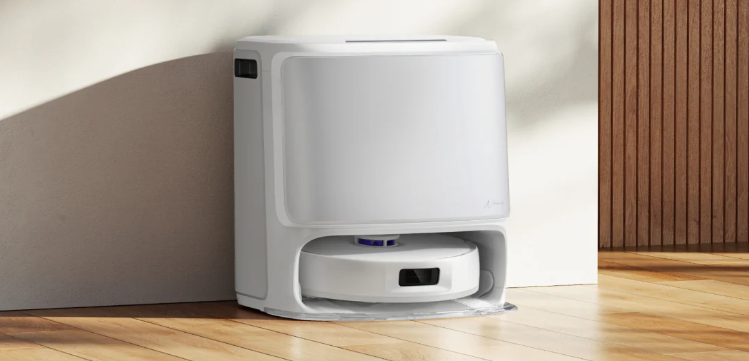
For a long time, the robot vacuum was primarily associated with sweeping floors and collecting dust. The mopping function, when it first appeared, was often treated as an afterthought. Early designs relied on little more than damp cloths or disposable wet wipes dragged along the floor.
These solutions provided a quick refresh but were limited in effectiveness. They could handle light dust but struggled with sticky spills, dried stains, or the deeper grime that builds up in high-traffic areas.
As smart home technology advanced, the expectations placed on the robot vacuum also grew. Consumers wanted not just convenience but also performance that could rival traditional cleaning. In response, manufacturers began to experiment with more sophisticated mopping systems, giving rise to an entirely new era of automated floor care.
From Passive Wiping to Active Cleaning
The earliest generation of robot mopping was passive. A cloth pad attached to the underside of the robot vacuum would be dampened with water, and the machine would simply drag it across the floor. This design offered minimal scrubbing action, and users often found themselves re-mopping by hand to achieve satisfactory results.
The next stage introduced vibration technology. Mop pads that vibrated at high frequencies mimicked a gentle scrubbing motion, helping the robot vacuum dislodge more dirt. While this was a step forward, vibration alone had limitations. Stubborn stains or dried spills still required manual effort.
The real breakthrough came with rotating mop pads and rollers. These actively applied pressure and friction to the floor, finally offering a cleaning method that resembled human scrubbing. This marked the beginning of a shift from simple dust control toward genuine mopping performance.
Intelligent Water Management
A major challenge in robot mopping has always been water control. Too much water can damage wooden floors, while too little leaves tiles or stone surfaces inadequately cleaned. Early robot vacuums often lacked the precision to balance this, frustrating users.
Modern designs now feature electronically controlled pumps and smart water tanks. These systems adjust moisture output automatically depending on the surface. Hardwood floors receive minimal dampening, while ceramic or stone tiles benefit from higher water levels for deeper cleaning. In some cases, the robot vacuum even adapts its settings on the fly, switching between modes as it transitions from one room to another.
Some advanced robots also allow users to customize water levels through apps, offering fine control for different preferences. This kind of flexibility ensures safety, efficiency, and confidence in everyday use.
Heated Rollers and Self-Cleaning Systems
One of the most exciting developments in recent years has been the introduction of heated rollers. Unlike static cloths, heated rollers scrub the floor continuously while being rinsed with fresh water. Heat helps dissolve grease, sticky residues, and other stubborn messes.
Even more impressive is the self-cleaning ability. Instead of spreading dirty water around, the robot vacuum refreshes its rollers during or after a cleaning cycle. Docking stations with rinsing and hot air drying functions further reduce maintenance, preventing mold, bacteria, or unpleasant odors.
This innovation not only enhances performance but also addresses one of the biggest complaints users had: the need to constantly wash dirty mop pads by hand.
Smarter Navigation for Mopping
Navigation plays a crucial role in mopping efficiency. Traditional devices moved in random paths, often leaving streaks or missing patches. Today’s robot vacuums use advanced mapping systems such as LiDAR or camera-based navigation to plan precise, systematic routes.
This ensures even coverage and consistent water distribution. In addition, features like “no-mop zones” allow users to protect carpets and rugs. The robot automatically avoids these areas, giving owners greater peace of mind.
Some models also detect the level of dirtiness and increase scrubbing intensity when needed. This ability to combine mapping with real-time analysis elevates mopping from a secondary feature to a core function.
Benefits for Households
The evolution of robot mopping brings several advantages:
- Deeper Cleaning: Heated rollers and active scrubbing mechanisms provide results much closer to manual mopping.
- Improved Hygiene: Self-cleaning pads reduce bacterial growth and odor.
- Time Savings: Less manual intervention is needed, freeing users from routine chores.
- Floor Protection: Smart water management ensures delicate surfaces are not damaged.
- Consistency: Automated scheduling ensures floors are cleaned more often and more thoroughly than with occasional manual mopping.
Remaining Challenges
Despite these advances, challenges remain. Extremely stubborn stains may still require human intervention. Limited water tank capacity can restrict how much space the robot vacuum can cover in one session. Heated cleaning systems, while effective, may also increase cost and complexity.
Another consideration is user expectation. While robot mops have come a long way, they are not yet a perfect substitute for deep manual scrubbing in every situation. They work best as consistent, everyday cleaners rather than one-time heavy-duty solutions.
The Future of Robot Vacuum Mopping
The future looks promising. Ongoing research is focused on AI-driven dirt recognition, allowing the robot vacuum to detect spills and adjust cleaning intensity automatically. Fully automated docking stations may soon refill water, empty dirty tanks, sterilize rollers with UV light, and prepare the device for its next cycle without user involvement.
Integration with broader smart home systems may also allow the robot vacuum to coordinate with air purifiers, sensors, or climate controls, creating a more holistic approach to household hygiene.
Ultimately, the goal is clear: to create a robot that offers cleaning performance indistinguishable from professional manual mopping, but with none of the effort.
Conclusion
The journey of the robot vacuum from dragging basic wet wipes to using intelligent heated rollers highlights the rapid pace of innovation in home cleaning technology. No longer an afterthought, mopping has become a central feature that complements vacuuming. With smart water management, heated rollers, self-cleaning systems, and advanced navigation, modern devices are setting new standards for household hygiene.
As technology continues to evolve, the robot vacuum will not only maintain cleanliness but also contribute to healthier and more comfortable living environments. This new era of mopping demonstrates how far automation has come—and how much potential still lies ahead.
Disclaimer
The information provided in this article is for general informational and educational purposes only. While efforts have been made to ensure accuracy, the content does not constitute professional advice or a guarantee of performance for any specific robot vacuum or mopping system. Product features, capabilities, and results may vary depending on the brand, model, usage conditions, and maintenance practices. Readers are encouraged to consult manufacturer guidelines, product manuals, and professional reviews before making purchasing or usage decisions. The author and publisher are not responsible for any damages, losses, or injuries resulting from the use or reliance on the information presented in this article.